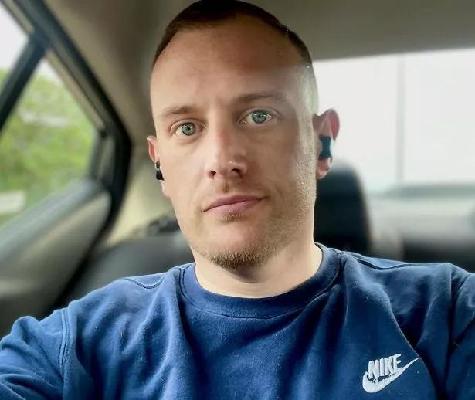
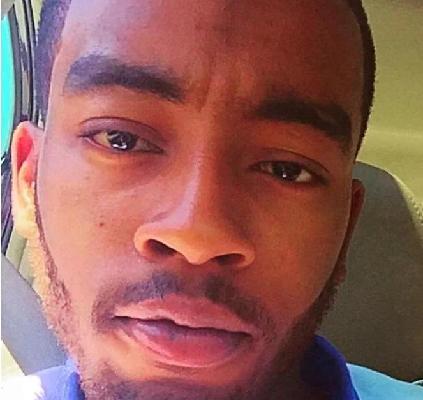
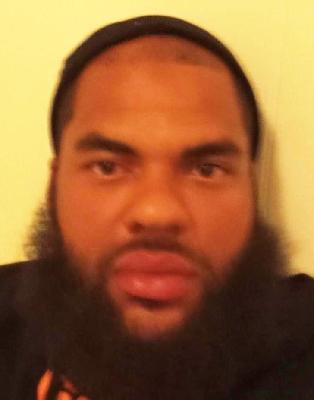
Stepffon Johnson, a 30-year-old Black/African American male from Philadelphia, Pennsylvania, died on January 13, 2024, after a night that appears to have turned suddenly and violently before ending in a desperate rush to the hospital. What is known publicly is limited, but the details that have been released paint a painful picture of a man whose life was taken by gunfire and whose final moments unfolded with urgency, fear, and uncertainty.
That Saturday night, Philadelphia police
observed a van traveling at a high rate of speed along North Broad Street toward Albert Einstein Medical Center. The van was not just another vehicle moving through the city. Inside was Stepffon Johnson, suffering from multiple gunshot wounds. The people in that van were racing toward help, trying to get him to emergency care before it was too late. By the time the van reached the hospital, police and medical staff became part of the final chapter of a tragedy that had already begun somewhere else.
Johnson was taken into care at Albert Einstein Medical Center, but despite the effort to save him, he did not survive. He was pronounced dead at the hospital. The public information available does not clearly state where the shooting itself occurred, what led up to it, or who pulled the trigger. That absence of detail leaves behind a heavy silence. Somewhere before that van arrived at the hospital, Stepffon was shot multiple times. Somewhere, a family’s life was changed forever. Somewhere, answers still remain missing.
His death was recorded as a homicide by Philadelphia authorities, and his case was listed among the city’s unsolved murders. That means that beyond the grief of losing him, those who loved him were left with the added pain of not knowing who was responsible or why it happened. There is no public indication that anyone has been arrested in connection with his killing. No suspect has been named in the available information, and no charges, trial, or conviction have been reported.
The lack of an arrest does not make the loss any less real. It means that the people who cared about Stepffon have had to carry their grief without the closure that accountability can sometimes bring. They are left with memories instead of answers, with questions instead of explanations, and with the knowledge that someone they loved was taken from them in a moment of violence that should never have happened.
Stepffon Johnson’s story is not only the story of a police report or an unsolved case number. It is the story of a person who had a name, a life, a history, and people who mattered to him. He was more than the circumstances of his death. He was someone’s son, someone’s family member, someone’s friend, and someone whose absence is felt in ways that no public record can fully capture.
On January 13, 2024, a life ended in Philadelphia, and the people left behind were forced to begin living with that loss. The details that remain unknown are important, but what is already known is heartbreaking enough: Stepffon Johnson was shot, rushed to the hospital, and did not make it home. As of the available public information, his killing remains unsolved, with no reported arrests or publicly identified suspects. His loved ones continue to deserve answers, and his name deserves to be remembered with dignity, compassion, and the hope that the truth will one day come forward.