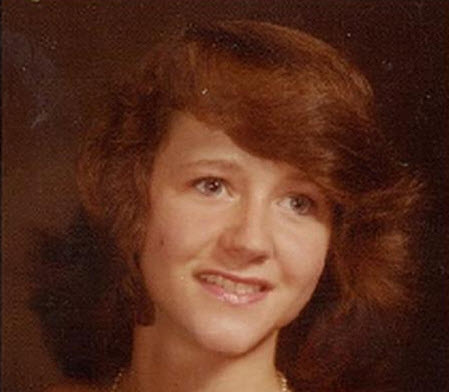
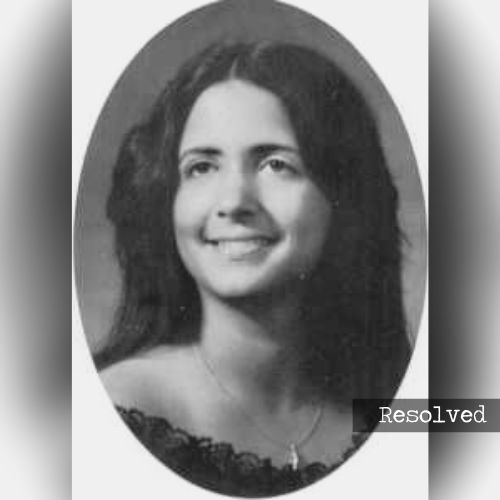
A woman is found murdered in her Honolulu apartment On January 7, 1972, Honolulu police were called to an apartment at 2222 Aloha Drive in Waikiki, where Nancy Anderson, 19, a White woman, was found unresponsive and pronounced dead at the scene after being stabbed dozens of times. 
Only a short time earlier, she had been building a new life on Oahu after arriving in late 1971, settling into a small place on Aloha Drive with a roommate and taking a job at McDonald's.
That afternoon, the roommate later told investigators she came home and saw Anderson inside the apartment with two cutlery salesmen; after they left, the roommate lay down to nap. When she woke, she noticed water running and went to check on Anderson—opening the bedroom door to a scene she first struggled to understand, before the horror set in. Investigators determined Anderson had been stabbed 63 times, including a fatal wound to the heart. 
In the first rush of the investigation, detectives worked outward from the last-known contacts in and around that apartment. The salesmen were tracked down; other men in her orbit were questioned; and the case drew attention to familiar categories of leads—exes, acquaintances, and people connected to the building—yet none of it stuck. Over time, with interviews exhausted and nothing that could be proven in court, the case cooled into decades of unanswered questions. 
What stayed behind, however, was the kind of evidence that didn't have a voice in 1972. Investigators preserved items from the scene, including towels stained with blood. Years later, when forensic DNA testing had advanced, a profile from an unknown male emerged from a blood-stained towel connected to the killing. Honolulu police then sought outside help from Parabon NanoLabs, using DNA phenotyping to estimate traits and ancestry and to produce a Snapshot-style composite meant to approximate what the person of interest might have looked like. 
The turning point came when genetic genealogy and traditional detective work converged on a name: Tudor Chirila Jr., who had been living near the area at the time and had worked as a graduate assistant at the University of Hawaii. Investigators obtained DNA from Chirila's son and used it to help link the unknown male DNA to the Chirila family line, then collected a direct sample from Chirila in Reno and matched it to the crime-scene DNA. In 2022, an Oahu grand jury indicted Chirila for Anderson's murder; he was arrested in Nevada and extradited to Hawaii. 
Chirila faced murder charges in Hawaii court and entered a not-guilty plea as the case moved toward trial, but the story ended without a verdict. While awaiting trial, he died in custody on December 25, 2023, leaving the case legally unresolved even as investigators publicly maintained the DNA match that led them to him.