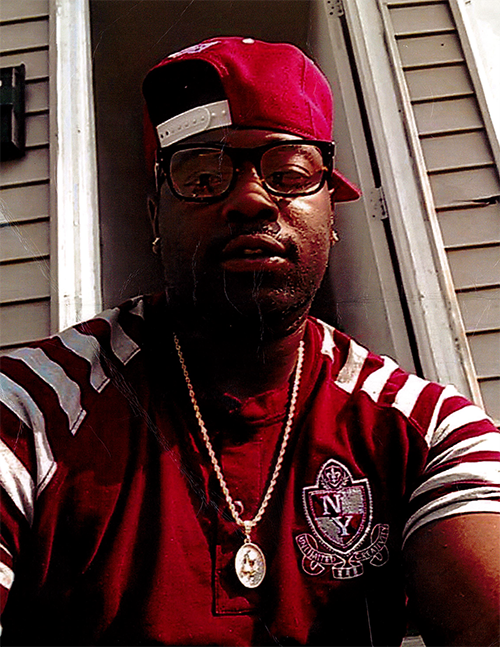
Scott Blake, a 57-year-old White man, died on January 6, 2023, inside a home on Willard Street Extension in the Town of Ellicott, New York, after a shotgun blast struck him in the head. Late that Friday night, dispatchers received a 911 call around 10:00 p.m. reporting a gunshot victim at the residence. Police from Ellicott and nearby Jamestown rushed in, and an officer arriving first encountered Tucker Richard on the front porch, phone still in hand. Inside, Blake lay on the floor with a fatal head wound, the scene grim and immediate in a way first responders later said was unmistakable.
From the start, investigators focused on Richard, who was 18 at the time and lived in the same household as Blake. Authorities said Richard was taken into custody after the scene was secured and a search warrant allowed forensic teams to work through the residence into the night, collecting evidence and documenting signs of a struggle. In the days that followed, the case hardened from a chaotic house call into a homicide prosecution: Richard was charged with second-degree murder, and prosecutors later obtained a formal indictment. His bail was set at extraordinarily high levels—reported as $2.5 million cash, with other bond options—keeping him in the Chautauqua County Jail as the case moved forward.
As the legal process unfolded, a narrative took shape around what happened inside the house before the gun went off. Investigators described a history of frequent conflict at the address, with police having been called there more than once in the past. In court proceedings, the conflict was framed as domestic and escalating: an argument that night, according to testimony and later trial accounts, centered on Richard’s messy room and spiraled into a physical altercation. Over time, different versions emerged of how the shooting occurred—ranging from claims that the gun discharged during a struggle to later statements that the trigger was pulled deliberately in fear that Blake would retrieve another weapon.
When the case finally reached trial in Chautauqua County Court in 2024, jurors were asked to decide not whether Richard fired the shot, but whether the killing was murder or justified as self-defense. Prosecutors contended the shooting was intentional and done at close range; the defense argued Richard acted to survive a violent assault. Evidence and testimony painted a volatile, close-quarters confrontation: accounts referenced a damaged bedroom door and frame, talk of a sawed-off shotgun being used as a weapon, and a pocketknife appearing in the struggle. Police testimony also described recorded interviews in which Richard discussed being awakened, confronted, and struck, while investigators highlighted that his story shifted over time.
Forensics and medical testimony added grim specificity to the final moments. State Police experts described firearms and other items recovered from the home, including multiple shotguns and a folding knife, and discussed biological and DNA findings tied to the weapons. The medical examiner testified that Blake was shot with birdshot, the entrance wound located just in front of his left ear, with pellets found inside his head. Based on wound characteristics and shot dispersion, the examiner indicated the range of fire was under roughly four to five feet—details that reinforced how close the two men were when the fatal blast occurred.
In the end, the courtroom verdict did not mirror the charge sheet. After deliberations, a jury found Tucker Richard not guilty of second-degree murder and also not guilty of the lesser criminally negligent homicide count. The decision meant there was no conviction in Scott Blake’s death, and Richard walked out of court a free man. The case closed in a way that left the public record full of sharp-edged details—an argument inside a home, a struggle, a shotgun fired at close range—yet resolved legally with an acquittal rather than punishment.