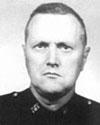
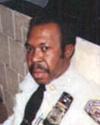
In the heat of a New York summer on July 16, 1964, a confrontation on the Upper East Side of Manhattan would ignite days of unrest and leave a lasting scar on the city. That morning, James Powell, a 15-year-old African American boy, was attending summer school when an argument broke out between a building superintendent and a group of students. The superintendent, Patrick Lynch, was hosing down the sidewalk and allegedly sprayed water on some of the teenagers, reportedly making racist remarks.
The students retaliated by throwing bottles and garbage can lids.
The commotion drew the attention of Thomas Gilligan, a white, off-duty police lieutenant who was in a nearby shop. What happened next is a matter of conflicting accounts. Gilligan stated that he saw Powell with a knife and that the teenager lunged at him. The lieutenant claimed he fired a warning shot before shooting Powell twice more in self-defense, sustaining a minor injury to his arm in the process. However, several eyewitnesses contradicted this narrative, asserting that Powell was either unarmed or did not pose a threat to the officer. Some witnesses even claimed Gilligan shot Powell after the boy was already on the ground.
The fatal shooting of the young man, who was significantly smaller than the officer, sparked immediate outrage. Hundreds of students from Powell's school began to protest, throwing objects at the police who arrived at the scene. This initial protest quickly escalated into six days of riots that spread from Harlem to Bedford-Stuyvesant in Brooklyn. The turmoil resulted in one death, over a hundred injuries, and more than 450 arrests, with significant property damage and looting.
In the aftermath, the shooting was investigated by the New York Police Department and the District Attorney's office. The case was presented to a grand jury, which, after hearing from 45 witnesses, declined to indict Lieutenant Gilligan. The NYPD's Civilian Complaint Review Board also cleared him of any wrongdoing. Despite the official exoneration, the incident remained a symbol of police brutality for many in the community. Years later, in 2012, the Department of Justice reviewed the case but concluded there was insufficient evidence to prove a federal criminal civil rights violation, officially closing the file on the death of James Powell.