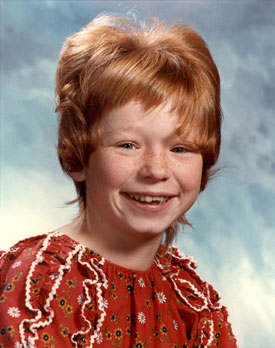
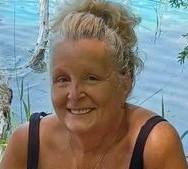
On May 22, 2023, a welfare-check call pulled deputies to a home on Sweden Walker Road in the Town of Clarkson, New York, and the quiet concern that prompted the 911 request quickly turned grim. Inside the garage, investigators found Milagros Morayma-Melendez, 51, a White woman, dead alongside her spouse. What began as an anxious reach-out from a coworker became the first step in piecing together a final timeline that the couple themselves could no longer explain.
From the outset, authorities said the scene pointed to a murder-suicide, emphasizing there was no ongoing threat to neighbors or the wider community. Major Crimes investigators worked to reconstruct what happened and coordinated with the Monroe County Medical Examiner’s Office as the case moved from discovery to documentation. In public statements, law enforcement described the couple as married and in their early fifties, found together in the garage, with the investigation focused on establishing the sequence of events that led to the deaths.
As details emerged, investigators acknowledged a firearm was involved and that both individuals had gunshot wounds. In the days that followed, the Sheriff’s Office and local reporting continued to frame the incident as an apparent murder-suicide, with family members assisting investigators as they worked backward through phone calls, movements, and ordinary routines that suddenly mattered. Officials also noted there had been no previous contact with law enforcement involving the family, a detail that sharpened the sense of shock around the case: there was no public trail of warnings, only the abrupt end point at the garage door.
By early June, authorities publicly identified the deceased as Michael and Milagros Kykendall and described Michael as the suspect and Milagros as the victim. Because the suspect was also dead, there was no arrest, no arraignment, and no criminal court path forward in the way many homicide cases unfold; instead, the investigation centered on confirming conclusions, documenting evidence, and providing the family whatever clarity could still be recovered.
Away from the crime-scene perimeter, a separate, softer record of Milagros’ life appeared in family memorial notices, which described her death as sudden and spoke of the loved ones she left behind, including her children and sister, and the gathering held in her memory. In the months after the killings, the aftermath also reached the civil courts: a wrongful-death case was filed in Monroe County Supreme Court naming an administrator for Milagros’ estate against an administrator for Michael’s estate, reflecting how, even when criminal proceedings end before they can begin, the consequences continue in paperwork, hearings, and the long work of settling what can be settled.