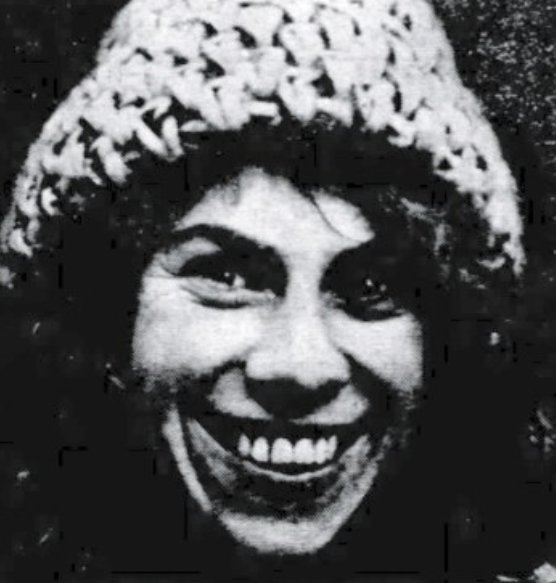
In the autumn of 1975, 26-year-old Rosalie Reisberg, a nurse living in Manhattan, had her life tragically cut short. On a Tuesday in late October, her husband returned to their apartment on West 87th Street to a horrific scene. He discovered his wife's body; she was partially unclothed and had been brutally murdered, her throat slashed. The initial investigation into her death left detectives with more questions than answers.
There were no signs of a forced entry into the apartment, nothing appeared to have been stolen, and there was no evidence of sexual assault. These perplexing details painted a murky picture for the more than 30 detectives assigned to the case, leaving them to wonder who could have committed such a violent act and what the motive could possibly be.
Investigators meticulously worked to piece together Rosalie's final hours. They determined she had spoken with her mother around 11 a.m. on the day of her murder. She had a hairdresser's appointment scheduled for that afternoon, an appointment she would never make. This provided a narrow window of time in which the crime likely occurred. Detectives canvassed the neighborhood, re-interviewed witnesses, and spoke with local merchants, painstakingly retracing her last known movements. Despite their exhaustive efforts, the investigation yielded no clear motive, no definitive timeline of events, and no reliable suspects. For nearly five decades, the murder of Rosalie Reisberg remained a frustrating and painful cold case, a stark reminder of a life stolen and a mystery unsolved. Her family was left to grapple with the profound and unanswered questions of who took Rosalie from them and why.
For decades, the case file on Rosalie Reisberg's murder gathered dust, a chilling testament to a crime that seemed destined to remain unsolved. Then, in a stunning development in December 2024, a resolution finally emerged from the shadows of the past. Serial killer Richard Cottingham, also known as the "Torso Killer," confessed to the murder of Rosalie Reisberg. Cottingham, who was already incarcerated for a string of other brutal murders committed between the late 1960s and 1980, admitted to strangling and cutting the throat of the young nurse in her Manhattan apartment. His confession brought an end to 49 years of uncertainty and provided a long-awaited answer to the central question of the investigation. The case, which had once been a symbol of an enduring mystery, was finally closed, bringing a measure of justice to Rosalie and her family after decades of waiting.