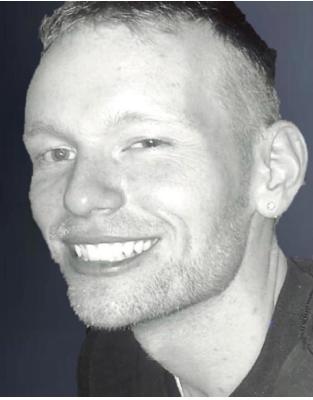
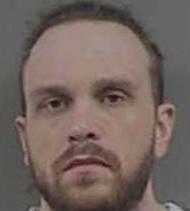
Harley Branscomb, a 22-year-old White man, was in St. Louis before dawn on January 28, 2024, when a quiet stretch of riverfront roadway turned into a crime scene. Police were called to the Missouri side of the Eads Bridge after a report of gunfire, and they found him on the ground with gunshot wounds. He was pronounced dead at the scene, while a 23-year-old woman who had been with him was not physically injured.
Early accounts suggested the bridge itself might not have been where the violence began. Investigators said they believed Branscomb had been shot while inside a vehicle somewhere else in St. Louis, and that the exact location where the shots were fired was still being pieced together as detectives worked backward from where he collapsed. The hours around the shooting were marked by uncertainty—where the gunman first pulled alongside, where the bullets entered the car, and how the moments unfolded before Branscomb ended up on the pavement near one of the city’s most iconic crossings.
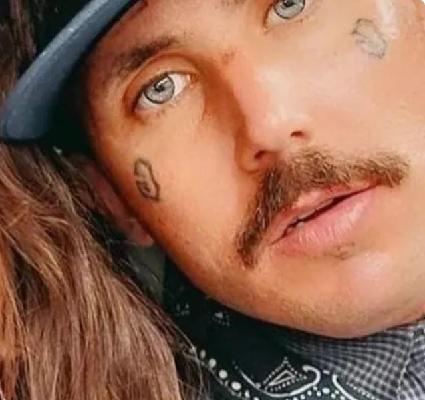
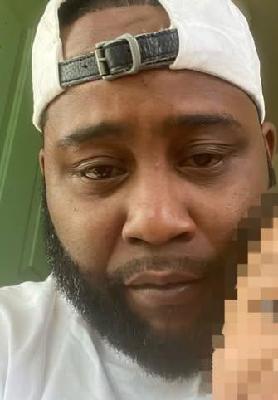
Weeks later, the case shifted from mystery to accusation. Reports said that on March 12, 2024, two men—Jermel Williams and Lamontrez Parker—were charged in connection with the killing, facing first-degree murder, first-degree assault, two counts of armed criminal action, and two counts of unlawful possession of a firearm. The same reports described investigators’ allegation of a drive-by style attack involving two vehicles on the bridge, with Parker driving a Tesla and Williams in a rented Nissan as gunfire was directed at Branscomb’s car while he was traveling with his girlfriend.
Away from the headlines and charging language, the abruptness of the loss echoed through the details shared by his family: a young man remembered for an infectious smile, a knack for making people laugh, and the pride he took in working as a welder after finishing school. The public record of the case centers on the violent minutes near the bridge and the later criminal charges, while the personal remembrances linger on the life that existed before that early-morning call brought police to the riverfront.