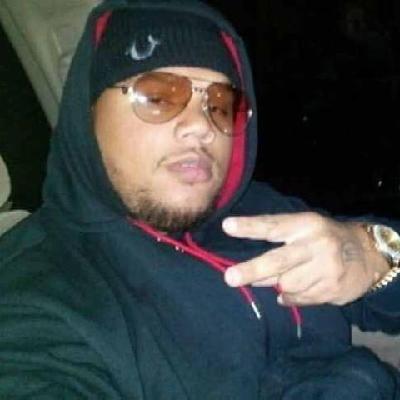
In the dark, quiet stretch of Grove Street near Third Avenue in Highland Park, Michigan, the stillness broke with a sudden burst of gunfire in the early hours of March 7, 2024. Neighbors later described being jolted awake by more than a dozen shots, the kind of sound that makes you sit up and listen for what comes next—doors opening, footsteps, sirens, voices in the street.
Inside a home on Grove Street, Courtney Cooper, a 34-year-old Black man, was found shot in the head. Reports placed the violence in the small window of time when most of the neighborhood was asleep—neighbors saying they heard the gunfire around 1 a.m., while another account put the discovery closer to about 2:30 a.m. Police and investigators converged on the scene as loved ones gathered outside, trying to make sense of what had happened behind those walls.
As word spread, the loss landed with special weight in Highland Park because he wasn’t described as a stranger to the block, but as someone woven into the community’s daily life. Friends and neighbors spoke of him as a steady presence for local kids—someone who showed up, helped out, and made sure children had what they needed to play and belong. One friend said children knew him by a nickname, “Uncle Cheese,” and described how he regularly looked out for youth sports teams, helping with basics like cleats and food. His mother, overwhelmed at the scene, pleaded for the violence to stop, speaking not only from grief but from a sense that something precious had been taken from the neighborhood itself.
Investigators treated the home and the area around it as a critical puzzle to be rebuilt piece by piece. Police were reported to be canvassing for information and collecting evidence in and around the house, while Michigan State Police assisted with the investigation. The immediate public details remained sparse—no clear motive outlined, no public description of a suspect, and no explanation for why the shooting erupted there in the first place. Even the exact connection between Cooper and the home was described differently across early reporting, with one account framing it as his residence while neighbors in another report claimed he didn’t live there, adding another layer of uncertainty to what investigators were trying to confirm.
In the days after the killing, authorities emphasized tips—those small, easily dismissed fragments of observation that can turn a dead end into a lead: an unfamiliar car idling too long, a person seen walking away, an argument overheard through an open window, a message sent in anger that suddenly matters. The public was urged to come forward, including through anonymous reporting channels such as Crime Stoppers via the 1-800-SPEAK-UP line and the Michigan State Police tip line referenced in coverage. The calls were a quiet acknowledgment that, at least publicly, investigators still needed the community to help fill in the missing minutes and name whoever pulled the trigger.
As of the publicly available reporting located for this case, no arrests, charged suspects, court proceedings, or convictions were described in connection with Cooper’s killing. The story that emerged in the immediate aftermath was less about a known perpetrator and more about a neighborhood trying to reconcile the contradiction of a man remembered for giving back being taken by violence inside a home on a normally quiet street—leaving behind questions that, for now, appear to remain open.