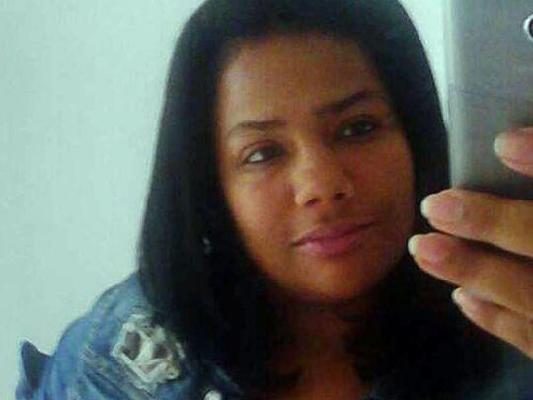
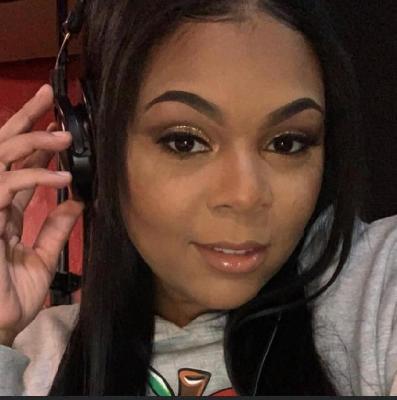
Shanae Fletcher, 20, a Black woman, went out late into the night of July 7, 2024, drawn by the energy of a crowded block party on Detroit’s east side. In the early-morning hours, in the area around Reno Street and Rossini Drive, the celebration shattered into chaos when gunfire erupted and people scattered in panic. Police were dispatched to the 13800 block of Rossini Drive around 2:25 a.m., arriving to find multiple victims suffering from gunshot wounds; medics pronounced Fletcher dead at
the scene.
In the first blur of aftermath, investigators described a scene that looked less like a single burst of violence and more like a firefight—shots coming so fast that partygoers initially mistook them for fireworks. Officials said dozens of rounds were fired, and the number of wounded climbed into the dozens, with Fletcher among two people who did not survive. Early reports emphasized how little was clear in those first hours—no immediate arrests, no confirmed motive, only a neighborhood trying to make sense of why a summer gathering had turned into a mass-casualty crime scene.
As the city reeled, leaders promised tougher enforcement against illegal block parties, and detectives began the slow work of building a case: gathering video, tracing weapons, and tracking down who had been in the crush of people when the shooting started. Police leaders said the gunfire involved multiple weapons, and investigators recovered extensive ballistic evidence from the area.
Months later, that investigation narrowed onto a single named suspect. Wayne County prosecutors announced that Demitrus Tiwan Shaw of Detroit had been arrested on January 7, 2025, and charged with two counts of first-degree murder, 19 counts of assault with intent to murder, and 21 counts of felony firearm—alleging he fired into the crowd before fleeing. Shaw was arraigned in 36th District Court and held in jail, with the case set on a path through probable-cause proceedings and a preliminary examination.
By spring 2025, courtroom fighting shifted the story from the street to the record: the defense challenged how police identified the shooter and argued investigators used improper pressure during interrogation, while prosecutors pushed forward with evidence they said supported the charges. A judge found there was enough evidence to send the case to circuit court for trial, with reporting noting that the investigation and testimony raised the possibility the violence was tied to gang conflict and ignited after a confrontation at the party. No public reporting I found indicates a trial verdict or conviction after the case was bound over; the latest coverage centered on the case advancing toward trial rather than concluding it.