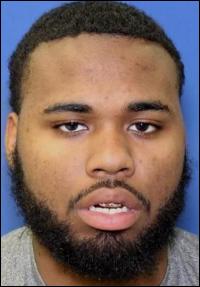
In the early morning hours of August 1, 2024, the life of Ondrell Mayo Jr., a 36-year-old Black male, was tragically cut short in Baltimore, Maryland. At approximately 3:19 AM, gunshots echoed through the 900 block of East Patapsco Avenue. Responding police officers discovered Mayo suffering from multiple life-threatening gunshot wounds. Despite the immediate response from medics, he was pronounced dead at the scene.
The investigation into the homicide led Baltimore police to identify
28-year-old Paul Artis as the primary suspect. Surveillance footage from the area showed a man, later identified as Artis, approaching Mayo and shooting him multiple times before fleeing. The vehicle Artis used to arrive at the scene, a beige Mercedes-Benz coupe, was registered in his name. A few days after the shooting, on August 6, 2024, Artis turned himself in to the police. During questioning, he admitted to being at the scene and identified himself in the surveillance footage, though he provided inconsistent statements about the events that transpired. Artis was subsequently arrested and charged with first-degree murder and the use of a handgun in the commission of a crime of violence.
Another individual, Viola Poole, was also implicated in the case. Surveillance video showed Artis and Poole together at a nearby IHOP after the shooting, and Poole was later seen picking up Artis's car near the crime scene. In June 2025, Poole pleaded guilty to being an accessory after the fact to first-degree murder. She was sentenced to 10 years in prison, with all but three years suspended, followed by five years of supervised probation. Her sentence also included requirements for alcohol and mental health treatment and parenting classes.
In July 2025, Paul Artis pleaded guilty to first-degree murder and the use of a handgun in a crime of violence. During legal proceedings, Artis's defense argued that a traumatic childhood and undiagnosed mental health issues, possibly exacerbated by drug use on the morning of the incident, contributed to his actions. However, the judge noted that surveillance footage did not show Artis appearing to be under the influence. Six months after his guilty plea, in January 2026, Paul Artis was sentenced to life in prison with all but 60 years suspended. The victim's family expressed the profound and permanent damage his loss had caused in their lives.