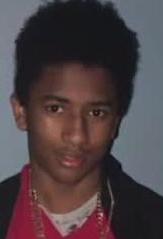
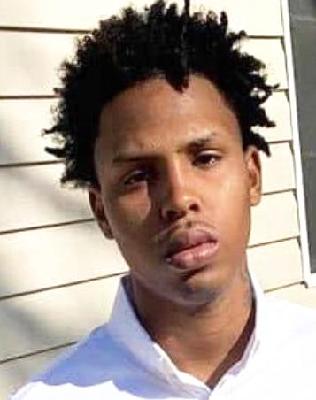
Treonte “Tre” Devar Johnson, a 15-year-old Black male, was shot multiple times in New Iberia, Louisiana, on the evening of Saturday, January 7, 2023, in a burst of violence that left his family stunned and his neighborhood shaken. Reports described the shooting as happening just before 8 p.m., and loved ones later said he was gunned down in front of his own home—an ordinary place turned suddenly into a crime scene, with the kind of quiet that follows sirens and flashing lights.
He died the next day, Sunday, January 8, 2023, as the first days of the new year in New Iberia were already being marked by grief.
In the days that followed, the loss hardened into a vigil—candles and prayers gathered at the spot where he was shot, as relatives and friends tried to speak his name into the night and keep him from becoming just another statistic. Family members told local media they believed the people responsible were around his age, and they pleaded for parents to step in, to come forward, to turn in whoever did it. The message carried an aching mix of anger and exhaustion: the sense that someone out there knew what happened, and that silence was protecting the shooter more than it was protecting the community.
At the time of those early public accounts, law enforcement had not announced suspects or arrests, and even people close to the family said they had not been told of any leads. The case hung in that familiar in-between space—an active investigation in name, but with few publicly shared answers—while the story of his death spread through New Iberia as a warning and a wound. In the sources reviewed, there were no publicly reported arrests or named suspects connected to his killing.
His death also landed amid a wider fear that the city’s young were being swallowed by gun violence. As residents gathered for prayer and support in the wake of other juvenile deaths around the same time, people spoke less like bystanders and more like survivors—describing a community that felt cornered by grief, where each loss made the next one feel more possible. In that atmosphere, Treonte’s name was repeated not only as a remembrance, but as a demand that something change before another family found themselves standing in the same place, holding the same candles.
His memorial service was held the following weekend in New Iberia, with arrangements noted by the funeral home, as relatives and friends gathered to mourn him in daylight after the long nights of uncertainty. Publicly available reporting focused on the vigil, the family’s plea for information, and the lack of confirmed developments early on—leaving the story, for now, defined by what was known: where he fell, how quickly life slipped away, and the unanswered question of who pulled the trigger.