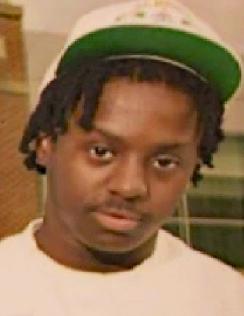
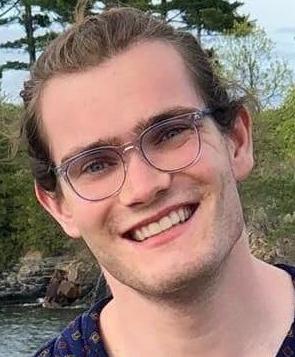
Victor Bolden, a 15-year-old Black / African American male from Northeast Washington, D.C., was spending the first night of June 2024 in the Rosedale area he called home when sudden violence ended his life. That Saturday evening, the streets around the neighborhood park and recreation center, where he and his friends often gathered to play basketball, were alive with the ordinary sounds of weekend activity before gunfire tore through the night.
Neighbors later described a chaotic, frightening moment as the noise echoed off the rowhouses and the park.
Shortly after 10:30 p.m., police were dispatched to the 600 block of 18th Street Northeast for reports of a shooting. Responding officers arrived to find Victor lying in the street, suffering from at least one gunshot wound near the area of Gales Street NE and the nearby recreation center parking lot. First responders rushed him to a local hospital, where doctors tried to save him, but the injuries were too severe and he was pronounced dead a short time later. The Metropolitan Police Department classified the incident as a homicide and immediately turned the case over to detectives from the Homicide Branch.
His killing did not occur in isolation. That same weekend, the District endured a spate of shootings spread across several neighborhoods, leaving multiple people injured and at least two dead, including Victor and an adult man in a separate incident. News reports described officers being pulled from one scene to another in rapid succession as calls for shootings came in from Southeast, Northeast, and Northwest D.C., contributing to a sense of a city under siege by gun violence. In that grim tally, Victor stood out as the youngest victim, and his death intensified already deep concerns about the safety of young people in the nation’s capital.
In the days that followed, his absence was felt most acutely in the small radius of streets and playgrounds that had defined his world. Community members remembered seeing him around the park, where he and other neighborhood kids spent hours on the basketball court. At a vigil held about a week after the shooting, residents of Rosedale gathered near the spot where he collapsed, lighting candles and releasing balloons as they tried to reclaim the space from the memory of gunfire. Neighbors spoke of a creative, energetic young resident who had begun dabbling in music and fashion, imagining a future for himself far beyond the block where he grew up. His mother, Ashley Spencer, described him as deeply loved by the community, a child with big dreams who had started designing clothes and liked to think of himself as an aspiring rapper.
Within his family, the loss cut along old fault lines of grief that had never fully healed. Victor’s father had died years earlier, in 2016, and in the wake of that loss, his uncle, Chris Bolden, stepped more fully into a parental role. Accounts from relatives portray a relationship that went beyond a typical uncle–nephew bond; Chris saw him as a son, and Victor relied on him for guidance and support as he navigated adolescence without a father. When he spoke publicly about the killing, the uncle struggled to articulate the depth of the bond they shared, emphasizing how much of his heart and hopes were tied up in Victor’s future. The shooting did not just take away a young life; it reopened an earlier family tragedy and left those who had already endured one loss facing another, even more senseless one.
Investigators, meanwhile, worked to piece together what happened in the moments before the shots were fired. Police releases describe officers responding quickly to the call, but they do not specify a motive, nor do they outline any detailed description of a shooter or vehicle. The Metropolitan Police Department issued a public bulletin naming Victor as the victim and circulated a homicide reward flier offering up to $25,000 for information leading to the arrest and conviction of whoever was responsible. Residents were urged to call detectives or send anonymous tips via text, and the case was listed among the city’s unsolved homicides.
As time passed, the investigation remained stubbornly unresolved. Crime-tracking and advocacy sites that monitor unsolved homicides in Washington, D.C., noted that Victor’s case was still open well into 2025, specifically stating that, as of their most recent updates, no arrests had been made in connection with his killing or the related wave of shootings that shook the city that weekend. Police statements and news coverage likewise continued to report no publicly identified suspects and no announced charges, even as the reward offer and appeals for tips stayed in place. The story of Victor’s death, therefore, is not only the story of a promising life cut short on a warm June night, but also of a family and community left waiting—month after month—for someone to be held accountable and for the violence that claimed him to be answered with justice.