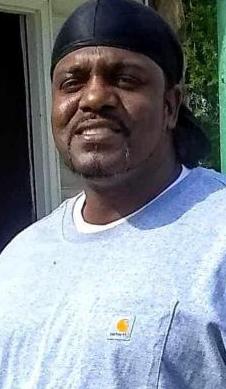
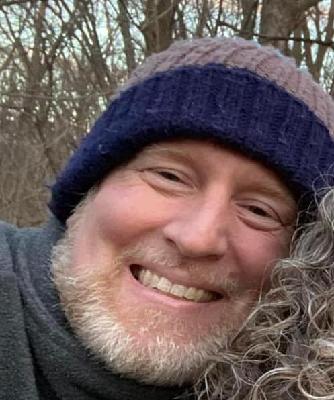
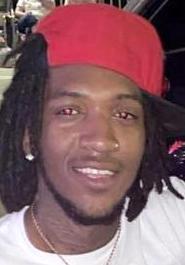
Zachary Michael Drinovsky, a 35-year-old White/Caucasian man, was fatally shot during the predawn hours of July 14, 2024, outside the Wagon Wheel Apartments in Hudson, Iowa. At approximately 3:40 a.m., officers were dispatched to Apartment 13 at 322 South Washington Street after gunfire was reported. When police arrived, they found Drinovsky lying on the ground with several gunshot wounds.
He was still alive when first responders reached him, but his injuries proved fatal a short time later.
Jacob Leigh Hamilton, a resident of the apartment complex, remained at the scene and acknowledged to officers that he had shot Drinovsky. Hamilton said the two had been involved in an altercation and maintained that he fired in self-defense. The circumstances surrounding the confrontation were not resolved immediately, and Hamilton was not arrested for murder that morning. The Black Hawk County Sheriff's Office conducted an extensive investigation with assistance from the Hudson Police Department and the Waterloo Police Department, gathering witness accounts, physical evidence, recorded statements and information about what occurred before and after the first confrontation.
The loss devastated a family deeply rooted in the Hudson community. Drinovsky had been born in Waterloo on March 2, 1989, and graduated from Hudson High School in 2007. He later earned a bachelor's degree in manufacturing technology from the University of Northern Iowa in 2011. He was remembered as a husband, a father of two young children, a son and a brother whose death left an enduring absence in his family's celebrations, traditions and everyday life.
As investigators reconstructed the shooting, the case centered on whether Hamilton's actions were legally justified. Hamilton continued to argue that he had been defending himself after a fight with Drinovsky. Prosecutors, however, developed a sharply different account. Following a review by the Iowa Attorney General's Office, authorities alleged that Hamilton had rearmed himself, resumed the confrontation outside and intentionally shot Drinovsky without legal justification. The state's position was that the danger Hamilton claimed to have faced did not excuse his decision to return to the encounter with a firearm.
More than a year after the killing, Black Hawk County sheriff's deputies arrested Hamilton at approximately 9:20 a.m. on September 22, 2025. He was taken into custody without incident and charged with first-degree murder. Hamilton was initially held in the Black Hawk County Jail on a $1 million bond. The charge exposed him to a mandatory sentence of life in prison without parole if prosecutors proved that the shooting was willful, deliberate and premeditated.
Hamilton's trial began in Black Hawk County District Court in May 2026. Jurors were shown police body-camera recordings, Ring-camera footage, photographs and physical evidence from the apartment complex. They heard testimony from witnesses, investigators, firearms personnel and medical experts. One witness described being on the telephone around the time of the confrontation and said she had repeatedly urged Drinovsky to go home before later hearing voices and gunshots. Attorneys also examined inconsistencies in statements, the positions of the people involved, the location of recovered evidence and competing interpretations of how the fatal confrontation unfolded.
Hamilton took the witness stand in his own defense and again said he had acted to protect himself. His attorneys challenged portions of the state's reconstruction and argued that the available forensic evidence did not establish the premeditated murder alleged by prosecutors. The prosecution maintained that Hamilton had an opportunity to disengage but instead armed himself and reentered the conflict. The jury was therefore required to decide not only who fired the fatal shots, which was undisputed, but whether the shooting amounted to murder, a lesser criminal offense or lawful self-defense.
After approximately 10 hours of deliberation over two days, the jury returned its verdict on May 29, 2026. Hamilton was acquitted of first-degree murder, meaning the jurors did not find the state had proved every element of that charge beyond a reasonable doubt. They nevertheless rejected a complete self-defense acquittal and found him guilty of the lesser offense of willful injury causing serious injury. The conviction established that Hamilton intentionally committed an act intended to cause serious injury, even though the jury declined to hold him criminally responsible for first-degree murder.
Before sentencing, Hamilton's defense requested a new trial, but the case proceeded to a sentencing hearing on July 17, 2026. Members of Drinovsky's family delivered emotional victim-impact statements describing how the shooting had permanently altered their lives. His brother, Blake Drinovsky, spoke of the birthdays, holidays, family gatherings and future milestones that Zachary would never attend. The statements emphasized that a prison term could not restore the husband, father and loved one taken from them.
The judge sentenced Hamilton to 10 years in prison, the maximum term permitted for the willful-injury conviction. The final outcome was more limited than the first-degree murder conviction originally sought by prosecutors: Hamilton was cleared of the murder charge but convicted and imprisoned for deliberately inflicting the injuries that led to Drinovsky's death. The sentencing concluded the principal criminal proceedings nearly two years after the shooting, while Drinovsky's family was left to carry a loss that, as they told the court, would continue long after Hamilton completed his punishment.