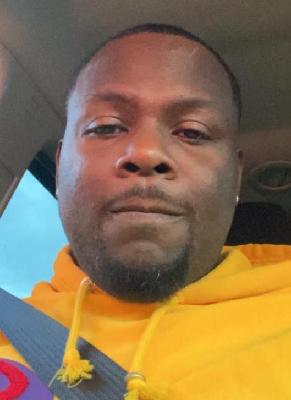
In the late hours of a Sunday in Iowa City, the life of a young Black/African American man, Kaleek Asham Douglas Jones, age 22, was tragically cut short. On August 27, 2017, what began as a dispute between two rival groups on the downtown pedestrian mall escalated into violence that would have fatal consequences. In the midst of the confrontation, shots rang out, and when the chaos subsided, three individuals were wounded.
Jones was one of them, struck by a bullet in his back that lodged in his spinal cord at the base of his skull. He was rushed to a nearby hospital, but his injuries proved too severe. After fighting for his life for two days, he succumbed to his wounds.
The investigation into the shooting moved swiftly. The man identified as the shooter, 21-year-old Lamar Cheyenne Wilson of Iowa City, was promptly apprehended by police. Initially, Wilson faced charges of intimidation with a dangerous weapon and attempted murder. However, following Jones's death, the charges against him were upgraded to first-degree murder. Another individual, Donte Ronnel Taylor, was also taken into custody on charges related to firearms. The motive for the shooting was described by law enforcement as an ongoing feud between the two groups involved.
Kaleek Jones was remembered as a loving and dedicated family man. He was a father to two young children, with a third on the way, and was engaged to be married. Those who knew him described him as a man with great enthusiasm for life, who was cherished by his friends and teachers. He had aspirations of returning to school and one day opening his own restaurant. His death left a void in the lives of his family and all who knew him.
Lamar Wilson's case went to trial, where his defense argued that his actions were justified under Iowa's "stand your ground" law. Despite being acquitted of the most serious charges of murder and attempted murder, a jury found him guilty of the lesser included offenses of voluntary manslaughter, assault with intent to cause serious injury, and intimidation with a dangerous weapon. His conviction and subsequent 24-year prison sentence were later affirmed by the Iowa Supreme Court, which ruled that the "stand your ground" law did not provide immunity from prosecution in his case.