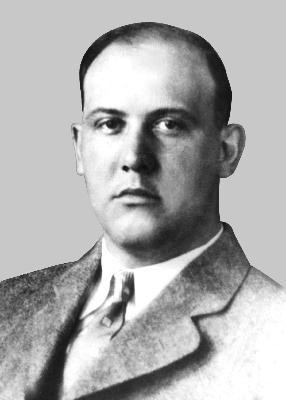
On the evening of April 18, 2019, 28-year-old Marvin Aguila, a Hispanic / Latino man from Phoenix, was near the intersection of 43rd Avenue and Camelback Road in west Phoenix when a brief encounter unfolded that would cost him his life. Police later said that an altercation broke out between Aguila and another man, and in the middle of that confrontation gunfire erupted.
Emergency crews arrived to find him critically wounded; Phoenix fire officials reported that he was rushed to a nearby hospital in extremely critical condition, where he later died from his injuries.
In the first hours after the shooting, the scene was treated as a fast-moving homicide investigation with more questions than answers. Officers secured the area around the busy roadway and worked into the night, speaking with witnesses and looking for any clues that might identify the shooter. Early reports described a suspect who fled immediately after the shots were fired, leaving no detailed description behind for the public. The investigation leaned heavily on appeals to tip lines as detectives tried to piece together what had happened between the two men just before the gunfire near 43rd Avenue and Camelback Road.
As investigators dug deeper, later case summaries and online reconstructions of the homicide painted a more specific picture of the encounter. According to those accounts, 35-year-old Matthew Lamont Brown, who was known in the neighborhood, approached Aguila and offered to sell him drugs that night. When Aguila declined, Brown allegedly drew a gun and fired multiple shots, striking him in the chest before running from the scene. People familiar with Brown, aware that he lived in the area, came forward with information that helped detectives connect him to the shooting and move the case beyond the anonymous-suspect stage.
Within days, the homicide was no longer described as an unsolved street shooting but as a drug-related killing with a named suspect. A major local newspaper reported that Brown, identified by police as a documented gang member who was not allowed to possess firearms because of a prior conviction, had been arrested in connection with the drug-related homicide that claimed Aguila’s life. Around the same time, Maricopa County public-record databases listed a man named Matthew Lamont Brown as facing counts of first-degree murder, aggravated assault with a deadly weapon or dangerous instrument, and misconduct involving weapons, in a case filed in late April 2019—charges that align with the timeline and circumstances of the Camelback Road shooting. Subsequent online case summaries now mark Aguila’s homicide as “solved,” and they consistently name Brown as the person accused of opening fire that night in west Phoenix.
While the court records and crime summaries focus on statutes, charges and gang designations, the traces of Aguila’s life that remain online sketch something far more personal. On a national gun-violence memorial site, his entry notes that he was “lost to gun violence” on that April day in Phoenix, and the comments below his name are filled with remembrances from people who knew him: they describe someone funny and outgoing, always smiling, the kind of person who could cheer others up when they were feeling low. Elsewhere on the same page, contributions mention the time he spent with his young daughter and the way he tried to center his life around her. Taken together, those posts and candles lit in his memory turn a short police statement about an altercation and a shooting into a story of a family jolted by loss—of a man whose name now appears in homicide records, public court databases, and online memorials, all anchored to a few deadly seconds at a west Phoenix intersection.