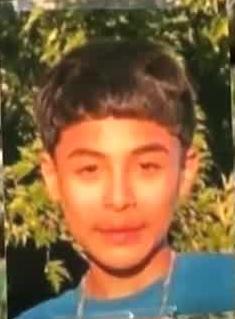
In the cold of an early January evening in Omaha, Nebraska, the life of Dexter Joseph, a 26-year-old Black / African American man, was tragically cut short. On January 3, 2015, Joseph and another man, 26-year-old Marcel Lovejoy, were attending a party at an apartment complex near 100th and Fort Street. The gathering turned violent when shots rang out, leaving both Joseph and Lovejoy dead at the scene from gunshot wounds.
The abrupt end to the party, which had been loud and filled with people, was followed by a sudden, chilling silence as attendees fled into the night before police and paramedics could arrive.
The investigation into the double homicide, which authorities described as gang-related, soon focused on a primary suspect: 16-year-old Charles Trotter. Trotter was subsequently arrested and charged with the murders of both Dexter Joseph and Marcel Lovejoy. His journey through the justice system, however, was fraught with turmoil. His first trial, which commenced over a year after the killings, was dramatically halted and a mistrial was declared. This decision came after a chaotic brawl erupted in the courthouse hallway involving family and friends of the victims and the accused. The tense atmosphere was further compounded by a key witness developing a sudden and complete memory loss on the stand, leading to concerns of witness intimidation.
Despite the initial setback, the pursuit of justice for Dexter Joseph and Marcel Lovejoy continued. A new trial for Charles Trotter was scheduled, and in June 2016, a jury found him guilty of two counts of first-degree murder and two counts of use of a deadly weapon to commit a felony. At trial, three eyewitnesses identified Trotter as the shooter. For his role in the double homicide, he was sentenced to consecutive prison terms of 40 to 60 years for each murder conviction, in addition to 5 to 10 years for each use of a weapon charge. The conviction brought a semblance of closure to the grieving families and the community, marking the final chapter in the tragic story of a young life taken too soon.