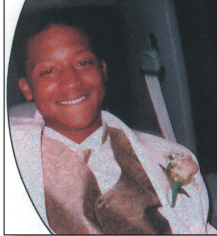
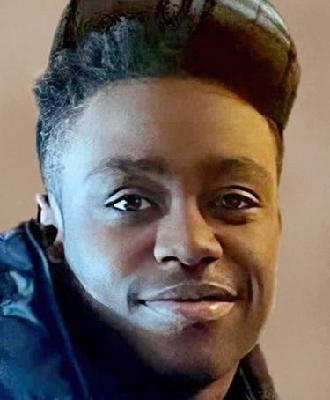
Do you know who murdered Charles Booker? Charles Booker, a 29-year-old African-American man from Washington, D.C., stepped into the first minutes of Sunday, July 21, 2002, on the 4300 block of Varnum Place NE, a Northeast street that would soon be marked by police tape and flashing lights. A little after 12:10 a.m., the quiet of the block was broken by gunfire. When the shooting stopped, Booker lay critically wounded, and although efforts were made to save his life, he died later that day from his gunshot injuries, turning an ordinary
summer night into a lingering homicide case that has never found resolution.
Detectives from the Metropolitan Police Department’s Homicide Branch opened an investigation and moved quickly through the neighborhood, knocking on doors and talking to residents in the hours and days after the shooting. They sought people who had heard the shots or seen anything unusual around the time of the attack, piecing together what little they could about how Booker came to be shot on that block in the middle of the night. Despite this canvas for eyewitnesses and physical evidence, few solid leads emerged. The trail thinned early, and the case began to cool, not because it was forgotten by investigators, but because there was so little reliable information to carry it forward.
Recognizing how quickly information can fade after a shooting, police issued a formal homicide reward flier naming Charles Booker as the victim, listing the 4300 block of Varnum Place NE as the crime scene and 12:10 a.m. as the approximate time the shots were fired. The bulletin announced that the case was being handled by the Homicide Branch and offered up to $25,000 for information leading to the arrest and conviction of whoever was responsible. It directed anyone who knew something to contact Detective K. Todd Williams or call the department’s main tip line, reinforcing that investigators believed community knowledge might be the only way to unlock what had happened on that block. Over the years, the same brief but stark description of the case has been reposted across multiple District of Columbia government pages, keeping the essential facts and that offer of a reward in public view.
Decades later, online cold-case records still describe Booker’s killing as unsolved, repeating the same core details: he was shot in the early hours of July 21, 2002, at about 12:10 a.m. in the 4300 block of Varnum Place NE, and he succumbed to his injuries later that day. Those records list him as a male victim from Washington, D.C., identify his race, and give his age as twenty-nine, emphasizing how young he was when his life was cut short. They also state plainly that the circumstances of his death remain unresolved and that the Metropolitan Police Department continues to seek information that could lead to identifying and apprehending the person or people responsible.
Even retellings of the case reflect how time can blur the details of a single night’s violence. In a later piece about the family’s broader experience with gun violence, a summary of earlier reporting described Charles Booker as nineteen years old and placed his killing shortly after midnight on July 20, 2002, in the 4400 block of Seventh Street NE, roughly a mile and a half from the Varnum Place location cited in police bulletins. Those discrepancies in age, date, and exact location stand alongside the official notices that fix the shooting on Varnum Place in the first minutes of July 21, a reminder that while the basic truth of his death is not in doubt, some of the surrounding details have been recorded differently over the years.
What has remained consistent is the absence of closure. As of the most recent updates to public government postings and cold-case listings, there are no reports of any arrest in connection with Charles Booker’s homicide, and no suspect or suspects have been publicly named. The official pages still frame the case as open and unsolved, urging anyone with information to come forward and invoking the same standing reward for tips that lead to an arrest and conviction. In that sense, the investigation lives on in the same brief notices and appeals that first went out after Booker was killed, waiting for a witness, a memory, or a new piece of information that might finally identify who fired the shots on Varnum Place that night and why.