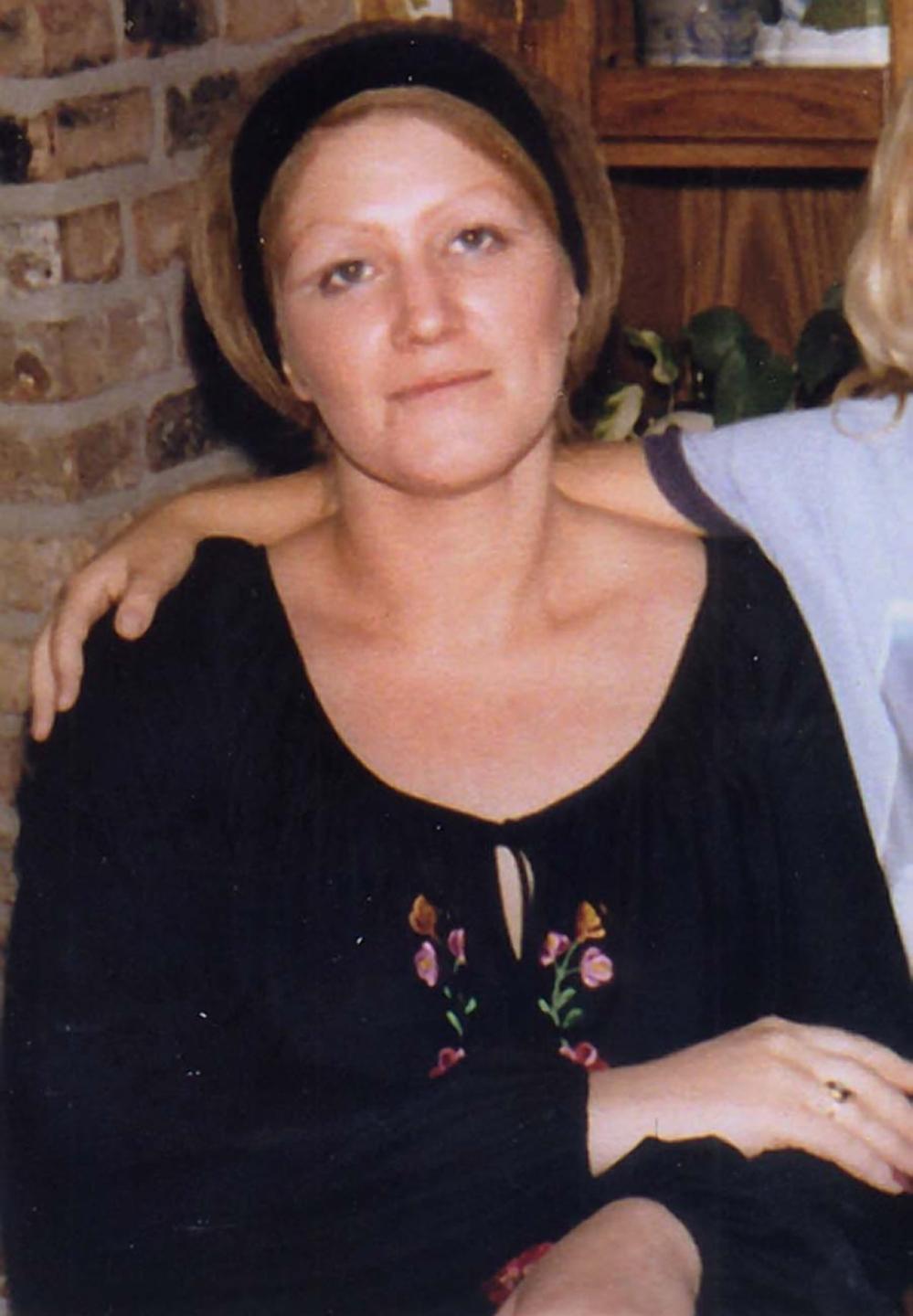
In the spring of 2018, the life of a young mother was tragically cut short in an act of violence that stemmed from a past relationship. On the evening of April 18, 21-year-old Kayviaun Nelson, a Black/African American female, was in Omaha, Nebraska, driving with her two young sons and her new boyfriend. Their day took a fateful turn when they encountered another group, which included a man from Nelson's past, Marcus R. Wheeler.
The two groups first crossed paths in the parking lot of a Dollar General store before the fatal confrontation escalated in the parking lot of a nearby Walmart.
Witnesses described a heated altercation between the two groups in the Walmart parking lot. During the confrontation, shots were fired. Nelson was struck by gunfire while sitting in the driver's seat of her vehicle, which had the window rolled down. An officer arriving at the scene found her unresponsive in the car, which had apparently rolled and struck another vehicle after the shooting. Paramedics rushed her to a local hospital, but she succumbed to two gunshot wounds to her chest. Her two children were in the vehicle at the time of the shooting but were unharmed.
The investigation into the shooting quickly pointed to Marcus R. Wheeler as the primary suspect. He was arrested and, in May 2018, charged with first-degree murder and use of a firearm to commit a felony. His trial began nearly a year after Nelson's death, in April 2019. During the trial, conflicting testimony was presented, with some witnesses identifying Wheeler as the shooter who fired into Nelson's vehicle. The defense argued that another individual had a gun or that Wheeler was unarmed.
Ultimately, the jury acquitted Wheeler of first-degree murder but found him guilty of the lesser charge of second-degree murder, along with the firearm charge. For his role in the death of Kayviaun Nelson, the court imposed a heavy sentence: 70 to 100 years in prison for the murder, with an additional consecutive sentence of 7 to 15 years for the use of a firearm. An appeal of the conviction and the length of the sentence was later affirmed, solidifying the legal conclusion to a case that left two young children without their mother.