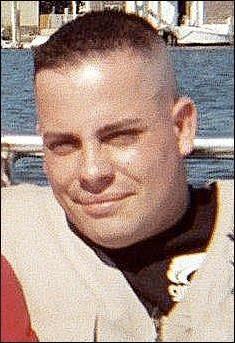
White/Caucasian male Derek J. Hale, 25, died on November 9, 2006, in Wilmington, Delaware. A recently discharged Marine sergeant from Manassas, Virginia, he had come north as police closed in on members of the Pagans Motorcycle Club. That afternoon he was seated on the front steps of a Wilmington row house when plainclothes officers converged. Witness accounts and later filings describe a chaotic few moments: commands to show his hands, repeated Taser discharges, and then three close-range
gunshots that left the 25-year-old husband and father mortally wounded.
What followed was a battle over what those seconds meant. A federal complaint filed by his family alleged that the Wilmington officers never identified themselves, shocked him three times with Tasers, and fired while he was incapacitated and vomiting, insisting no crime was occurring at the scene and that he posed no imminent threat. The suit named a long list of city and state police figures and asserted that Lieutenant William Brown, a Wilmington SWAT commander, was the one who pulled the trigger. The narrative painted a portrait of an operation born from a broader probe into the Pagans, and of a young Marine caught in a surge of force on a quiet stoop.
Officials defended the operation, emphasizing that the encounter unfolded during a sweeping investigation into the motorcycle club and that officers believed he could be armed when he kept his hands in his sweatshirt pocket. In the months and years that followed, the case lingered as a painful local touchstone, with advocates and civil libertarians citing it as evidence of excessive force, while the city stood by its officers. A Washington Post account captured the stark core of the family's claim: three Taser shocks, three bullets, a death in broad daylight after two tours of war.
There were no criminal arrests stemming from the shooting. Authorities concluded there was no basis for criminal charges, and the litigation that followed ended not with a verdict but with a settlement. In December 2010, the City of Wilmington agreed to pay Hale's widow $875,000 to resolve the wrongful death suit, a result that closed the case in court but left its moral questions vibrating through the city's streets and stoops. Memorials kept his name alive, even as official findings and the settlement's finality ensured that the officers involved would not face prosecution for his death.