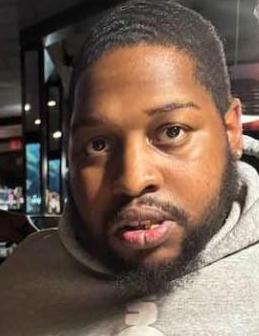
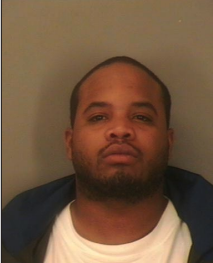
Do you know who murdered Tony Baylor? Tony Curtis Baylor, a 24-year-old African-American man, spent the evening of Sunday, October 12, 2003, at a gas station near the intersection of Minnesota and Pennsylvania Avenues SE in Washington, D.C. Sometime between 9:00 and 9:45 p.m., gunfire tore through the routine of that Southeast corner and struck him, turning an ordinary stop into a desperate fight for survival.
Despite his injuries, he managed to get behind the wheel and drive himself away from the scene toward medical help, leaving investigators with only a narrow window of time and a general location to trace what had happened in those minutes before he reached the hospital.
At the hospital, doctors worked to treat the damage from the gunshot wound, and for nearly two weeks he remained under care. The fact that he had been able to transport himself meant the initial details of exactly where and how the attack unfolded were murky, and police could not immediately pinpoint the precise spot where the shooting occurred. What was clear, however, was the severity of his injuries. On October 26, 2003, he died from complications related to the gunshot wound, and his death was officially classified as a homicide, closing the brief, painful chapter between the night of the shooting and the day he succumbed to his injuries.
In the aftermath, the Metropolitan Police Department's Violent Crimes Branch opened a homicide investigation and began appealing to the public for help. Flyers and notices described how he had been shot at the gas station at Minnesota and Pennsylvania Avenues SE and later died, and they emphasized that detectives were actively seeking information from anyone who might have seen something at the station, in the surrounding streets, or at any point along his drive to the hospital. Authorities highlighted that the department was offering a reward of up to $25,000 for information leading to the arrest and conviction of whoever was responsible, underscoring that the case was being treated as a serious, open investigation rather than a forgotten file.
Years later, public records still describe the case as unsolved. The Metropolitan Police Department lists his killing among its major unsolved homicides from 2003, and advocacy and case-tracking sites continue to recount how he was shot at the gas station and later died, urging anyone with knowledge of the shooter to come forward. These summaries note his name, age, and the circumstances of the attack but do not identify any suspect, nor do they mention any arrest connected to his death. The continued presence of reward flyers and online appeals into the 2020s, along with his inclusion on unsolved-homicide rolls, indicate that no one has been publicly charged with the crime and that the questions surrounding who fired the shots that night remain unanswered.