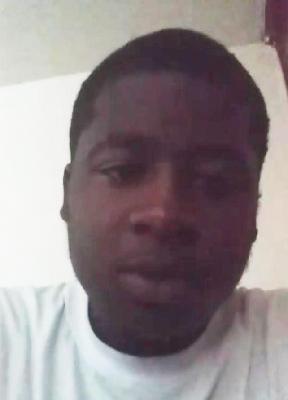
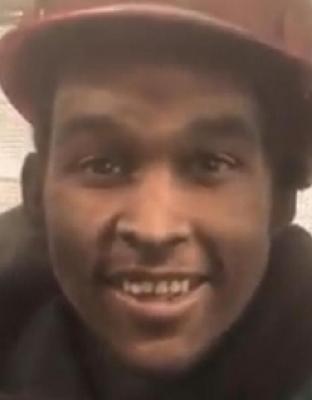
Dupree Burroughs, a 31-year-old Black man, was working in Wilmington, Delaware, when an ordinary Monday afternoon became the scene of a sudden and deadly attack. Burroughs lived in Smyrna and was employed by a contractor working on behalf of Delmarva Power. On July 22, 2019, he and another crew member were installing a new natural-gas main and connecting service lines to nearby homes and businesses in the 1800 block of West Second Street, near Wilmington's Hilltop neighborhood.
At
approximately 1:30 p.m., gunfire erupted around the work site. An unidentified shooter opened fire on the contractors as they performed their assigned duties. Burroughs was struck numerous times, while his coworker was also wounded. Reports from the scene indicated that investigators recovered at least 10 spent cartridge casings, and one witness recalled hearing as many as 20 gunshots. The number of shots suggested a sustained burst of violence rather than a single impulsive discharge, but police did not publicly establish whether Burroughs, his coworker, or the work crew had been deliberately targeted.
Police officers and emergency medical personnel rushed to the area after receiving reports of the shooting. Burroughs and the surviving contractor were transported to the trauma center at Christiana Hospital. The second worker, whose age was reported differently in early accounts as either 41 or 48, was listed in stable condition. Burroughs suffered devastating injuries and remained under medical care until authorities announced on July 24 that he had died from the wounds inflicted two days earlier.
His killing came at a time when he had been attempting to rebuild his life. Burroughs had previously served a lengthy prison sentence in connection with a 2008 shooting outside the former Pharos nightclub in Wilmington. He was released in 2018 and found steady work, reportedly supporting his children and trying to move forward. His grandmother said she did not know whether his past had any connection to the attack, emphasizing that he had simply been at work when he was shot. Investigators never publicly confirmed that the earlier case was related to his death, and there is no verified evidence that it provided the motive.
In the immediate aftermath, Wilmington police released little information about the gunman. No detailed suspect description was made public, and authorities did not announce whether the shooter escaped on foot or in a vehicle. Investigators also declined to say whether they had identified a person of interest, determined a motive, or concluded that Burroughs was the intended target. Delmarva Power expressed sorrow over his death while referring questions about the circumstances to the police because the criminal investigation remained active.
No arrest, criminal charge, trial, or conviction has been publicly reported in connection with Burroughs's killing. Years after the shooting, the Wilmington Police Department's Cold Case Unit continued highlighting the case and asking the public to identify the person responsible. That appeal indicated that investigators still considered the homicide unresolved and were seeking information capable of producing a meaningful lead.
The shooting left a surviving witness and coworker, a heavily traveled neighborhood crime scene and numerous pieces of ballistic evidence, yet the identity of the gunman remained unknown publicly. Burroughs had gone to West Second Street to complete a utility project and earn a living, but he never returned home. With no publicly named suspect and no announced motive, his death remains an unsolved Wilmington homicide whose resolution may depend on someone coming forward with information about what happened at the work site that afternoon.