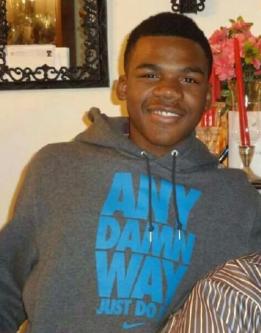
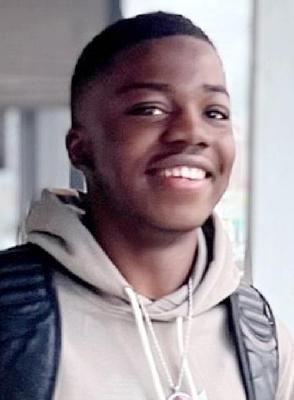
Matima Miller, 19, a Black/African American male from Wilmington, Delaware, was known to millions online as Swavy and Babyface.S, a young creator whose dancing, skits and style had made him a recognizable face far beyond his neighborhood. On the morning of July 5, 2021, he was near the 700 block of Elbert Place in Wilmington's Southbridge area after returning from McDonald's with his roommate when the day turned violent.
Police said the shooting happened at about 10:42 a.m., and Miller was found suffering from gunshot wounds before being taken to a hospital, where he died.
In the months and years that followed, investigators and prosecutors connected Miller's killing to a broader wave of violence tied to the Wilmington-area gang NorthPak. Court records later described Miller as a potential target because he was from Southbridge, though prosecutors also emphasized that he was not part of the gang war that surrounded the case. He was described as a young social media entrepreneur, someone who had built a large following by filming himself dancing and moving through the city with confidence and charisma.
According to the evidence later laid out in court, Miller and his roommate were together when the shooter approached. The shooter made eye contact with the roommate before firing at Miller at point-blank range. The roommate described the gunman as wearing a red-and-black Bag Season hoodie and a ski mask and carrying a black gun. Within hours, the roommate sent Miller's older brother, Rahkim Clark, a photograph of Israel Lecompte and identified him as the person who shot Miller. On July 14, 2021, the roommate also identified Lecompte in a six-person police lineup.
Investigators built the case through witness identifications, surveillance footage, vehicle evidence and digital evidence. Multiple witnesses reported seeing a black car with heavily tinted windows near the scene, and cameras from a BP gas station and city surveillance captured a four-door black vehicle approaching the area before the shooting and leaving immediately afterward. That black Nissan Maxima became a major piece of the larger investigation. Prosecutors said it had been stolen before the violence, used in multiple incidents, and later recovered in NorthPak-friendly territory. Lecompte's fingerprint was found on the driver's-side exterior door of the vehicle.
The investigation also tied Miller's death to a violent sequence that began before July 5. Prosecutors linked Lecompte to the July 2, 2021 killing of Quinton Dorsey, a clothing entrepreneur connected to the Bag Season brand, and to other robberies and shootings in the days surrounding Miller's death. Ballistics, surveillance images, social media posts, witness testimony and recovered evidence were used to show a pattern of violence involving stolen vehicles, firearms and gang retaliation. A former NorthPak affiliate later testified that Lecompte bragged about killing Miller and claimed Miller had threatened him because Lecompte had killed Dorsey.
Lecompte was indicted in November 2021 on 38 felonies, including two counts of first-degree murder for the deaths of Quinton Dorsey and Matima Miller. He was 18 at the time of the indictment. The charges also included robbery, firearm offenses, reckless endangering, conspiracy, theft of a motor vehicle, receiving stolen property and illegal gang participation.
In April 2024, a New Castle County jury found Israel Lecompte guilty of 56 felonies, including two counts of first-degree murder. The convictions also included 14 counts of first-degree reckless endangering, four counts of first-degree robbery, attempted first-degree assault, conspiracy charges, 21 counts of possession of a firearm during the commission of a felony, theft of a motor vehicle, receiving stolen property, disregarding a police officer's signal and illegal gang participation. The verdict made Lecompte the final defendant convicted in the state's yearslong prosecution of NorthPak.
Lecompte was later sentenced to two mandatory life terms plus additional prison time for the murders and related crimes. His conviction closed a long legal path that began with a young man being shot down in daylight near his home and ended with prosecutors presenting Miller's killing as part of a larger trail of shootings, stolen cars and gang violence. Miller's family remembered him not as a case file or a social media statistic, but as Matima Abasi Miller, a son and brother whose life had been growing quickly, whose name was becoming known to millions, and whose future was taken before he had the chance to fully step into it.