Crime Solvers Central
298 Cases Solved. Advancing justice for missing persons, unsolved homicides, unidentified and unclaimed remains.

Case Description

Any updates on this case? Let us know!
Summary based on the NamUs case record (MP61764) and 13 other sources
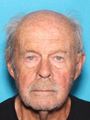
Stephen Carey, a 59-year-old from California, was last seen on July 7, 2019, while on a personal vacation in Las Cruces, New Mexico. An avid mountain biker and outdoorsman, Carey visited the Dripping Springs Visitor Center, where he inquired about local trails in the Organ Mountains. The following day, he checked out of his hotel but never returned home. His family reported him missing on July 11, 2019.

On July 12, Carey's white Subaru was found near the Baylor Canyon Trailhead, but his black Motobécane mountain bike and wallet were missing, and no bike tracks were located near the vehicle. Despite extensive search efforts, including a flyover of the nearby White Sands Missile Range, where access is restricted, no signs of Carey were found.

Carey, known for his adventurous spirit, had previously undertaken challenging hiking and biking trips. Investigators have not ruled out various possibilities, including an accident in the Organ Mountains, a potential kidnapping, or that he voluntarily disappeared. The case remains unsolved, and both New Mexico and California authorities continue to investigate.

If anyone has information, they are urged to contact the New Mexico State Police.

Last Seen: Jul 7, 2019

Possible Unidentified Matches (1)

Unidentified remains cases whose details are consistent with this person, ranked by how closely they compare. Fields that are unknown in either case are left out of the score.

75%Possible
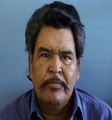
John Doe — El Paso, Texas
UP79032 • Found Jan 1, 2021
View case
Sex ✓Male
Age 100%Est. 58–72 vs 59 when missing
Race 60%Hispanic
Location 90%46 mi away
TimingFound 18 months after last seen
Height 100%5'7" vs 5'8"–5'9"
Weight 41%213 lb vs 140–160 lb
Hair 100%Gray vs Gray
Eyes 0%Brown vs Blue

These comparisons are generated automatically from public NamUs case data and are not confirmed identifications. Only DNA, dental or fingerprint comparison by investigators can confirm an identity. If you believe two cases are connected, contact the agency handling the unidentified case.