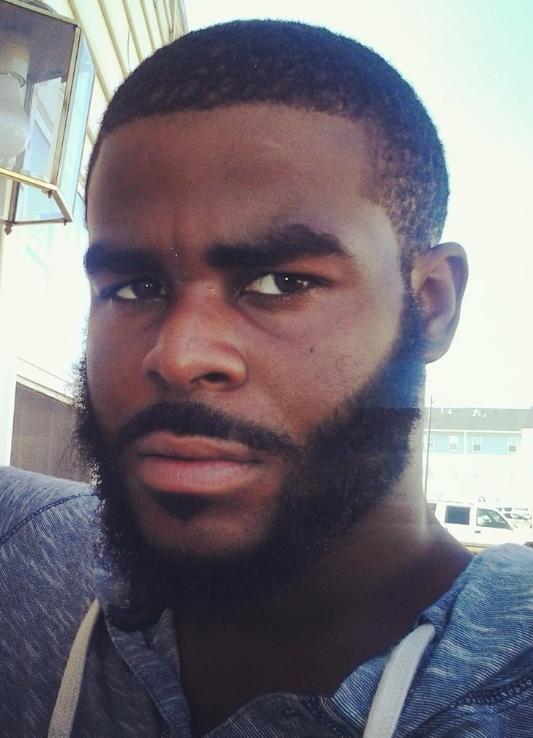
Do you know who murdered Walter Christian? Walter Christian, a man from Washington, DC, was known to family and friends as Walter Raymond “Chris” Christian, a son, stepson, father, grandfather and brother whose life was rooted in the city he called home. Loved ones later remembered him in an obituary that described his close bond with his mother, Delia Butler, his late father, Raymond H.
Christian, and his stepfather, Devon Butler, as well as his role as a devoted father to his children, Dior and DePriest, and a grandfather to their young families. The remembrances that followed his death painted a picture of someone regarded as gentle and kind in his everyday interactions, the sort of man whose absence left a quiet but unmistakable void in the lives of those who knew him.
On the evening of Sunday, May 16, 2004, Walter's ordinary day ended in violence in a narrow alley behind 630 Orleans Place NE, a residential stretch of brick rowhouses in Northeast Washington. Around 8:15 p.m., residents in the area reported the sharp cracks of gunfire, drawing officers from the Metropolitan Police Department to the scene. When they reached the alley, they found Walter on the ground, suffering from gunshot wounds that investigators would later describe as fatal. The alleyway, bounded by back fences and the rear faces of homes, quickly transformed from a quiet service lane into a crime scene marked off with police tape and floodlit by emergency vehicles as first responders tried to save him and detectives began their work.
Despite those efforts, Walter did not survive his injuries, and the shooting was classified as a homicide. Detectives from the department's Violent Crimes Branch took over the investigation, canvassing the neighborhood for witnesses and piecing together what little could be learned from the scene. In the days and weeks that followed, officers returned to the block, knocking on doors, seeking anyone who might have seen an argument, a suspicious vehicle, a figure running from the alley, or any detail that could anchor a timeline. Yet the public record offers no clear narrative of his final movements before the shots rang out, leaving a haunting gap between the man remembered in his obituary and the moments that led him into that alley.
As time passed, the case remained stubbornly unresolved. The Metropolitan Police Department issued a formal homicide flyer featuring Walter's name, the exact location and time, and a plea for information, emphasizing that the investigation was still active. The flyer noted that the department offered a reward of up to $25,000 for information leading to the arrest and conviction of the person or persons responsible for a homicide in the District of Columbia, a standing incentive that applied to Walter's case as detectives continued to seek leads.
Years later, his killing is still listed among Washington's unsolved homicides. Online summaries of the case reiterate that Walter was found shot to death in the alley behind 630 Orleans Place NE, that officers responded quickly to reports of gunfire, and that, despite the passage of time, the investigation remains open. These accounts stress that police are still actively seeking information from the public. No arrests have been announced, and no suspect or suspects have been publicly identified, leaving the questions of who fired the shots and why they targeted Walter unanswered. His story, preserved in official notices and brief memorial lines, stands as both a record of a specific act of violence on a spring evening in 2004 and a lingering reminder of a family still without the closure that an arrest and conviction might bring.