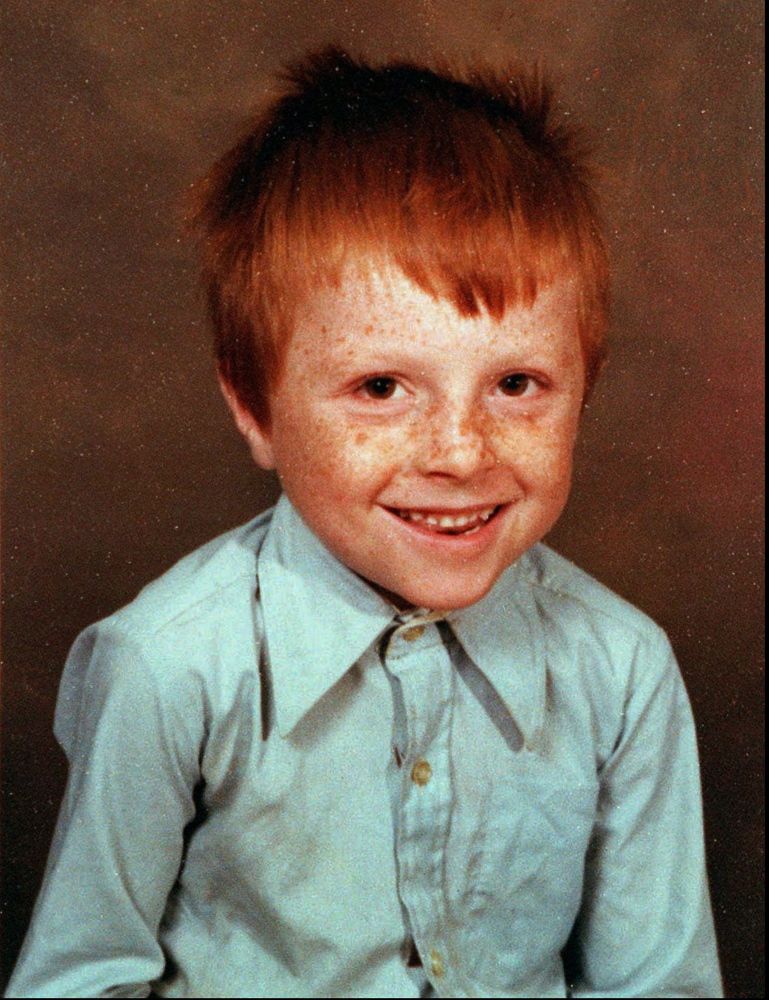
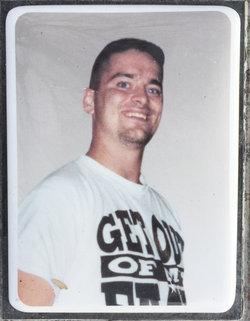
In the early hours of March 16, 2019, a family argument in a Portland, Maine, home culminated in the tragic death of 22-year-old Isahak Muse, a Black man. The events of that night stemmed from a dispute over Muse visiting his girlfriend, Chelsey Cardilli, at her family's residence on Milton Street. While Muse was a frequent guest at the home, on this particular evening, his presence past an agreed-upon time led to a fatal confrontation with his girlfriend's older brother, Mark Cardilli Jr.
The situation escalated when Cardilli Jr. and his father asked Muse to leave, and he refused. Witnesses testified that what began as a verbal argument soon turned into a physical altercation involving Muse, Cardilli Jr., his father, and his sister. In the midst of the chaos, Mark Cardilli Jr., a 24-year-old U.S. Army veteran, went to his bedroom and retrieved a handgun. He returned to the confrontation and shot the unarmed Muse. An autopsy later revealed that Muse was shot twice in the back and died at the scene from his gunshot wounds.
Following an investigation, Mark Cardilli Jr. was arrested and indicted by a grand jury for the murder of Isahak Muse. During his trial, Cardilli Jr. claimed he acted in self-defense, stating that he feared for his family's safety and that Muse had punched him. The prosecution argued that Cardilli Jr.'s use of deadly force was not justified as Muse was unarmed. The case drew significant attention and raised tensions within the community, with some, including members of Muse's family, calling it a hate crime. Cardilli's sister testified that her brother had previously made racist remarks about Somali and Muslim people.
Ultimately, a judge found Mark Cardilli Jr. not guilty of murder but guilty of the lesser charge of manslaughter. In August 2020, he was sentenced to seven and a half years in prison. The legal proceedings continued for years, with Cardilli's conviction being vacated by a lower court which ruled he had ineffective legal counsel, a decision that was later overturned by the state's highest court, upholding the original manslaughter conviction.