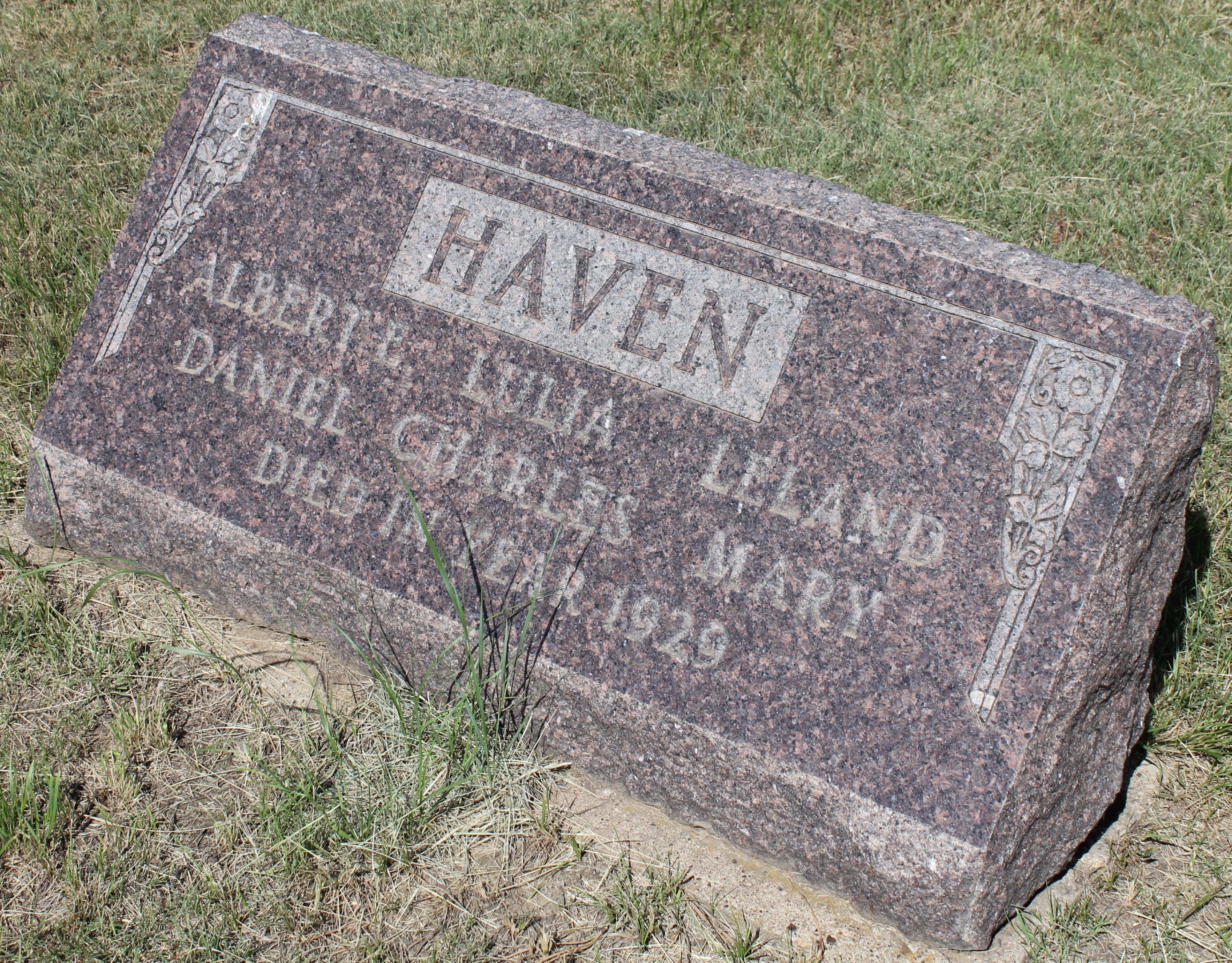
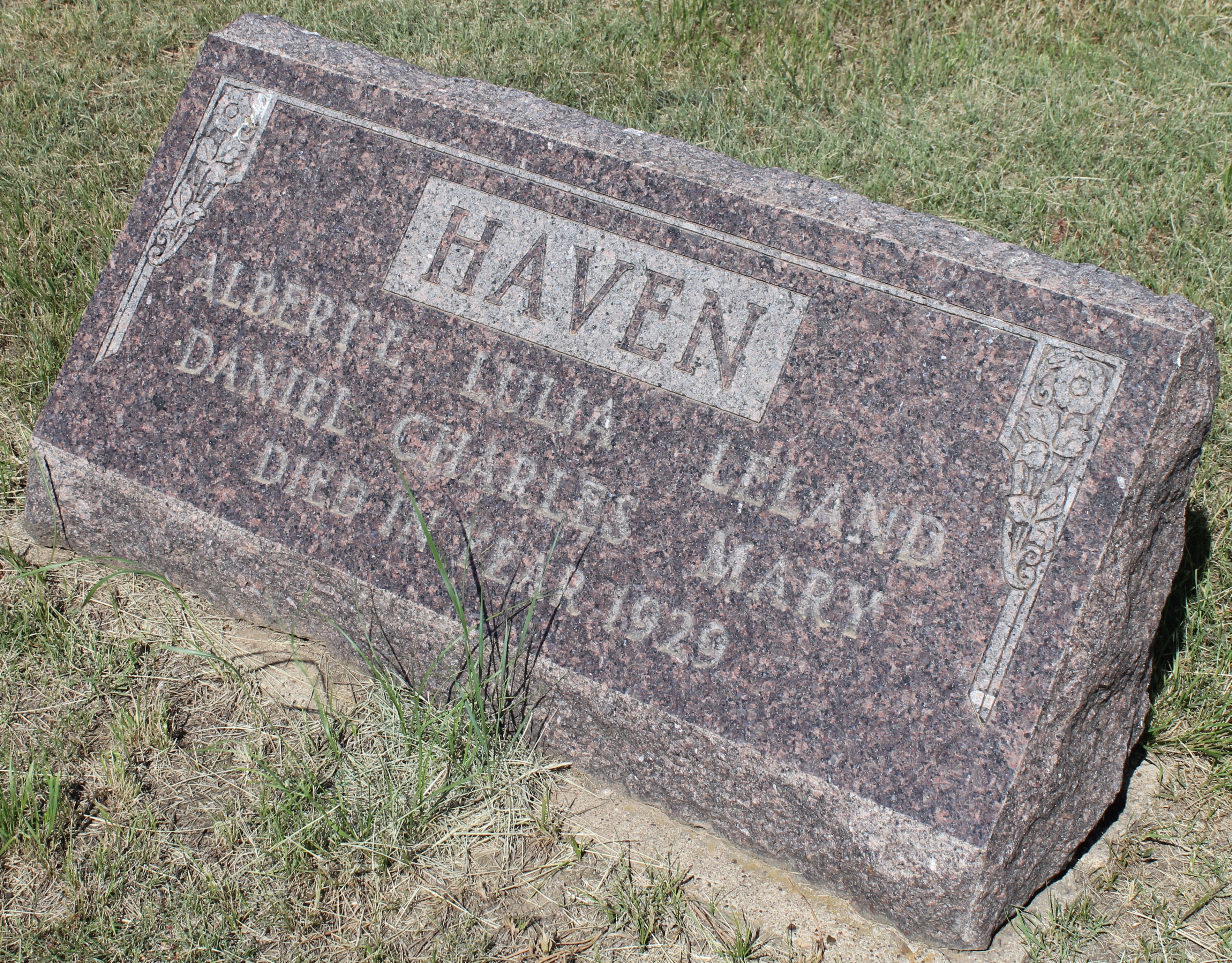
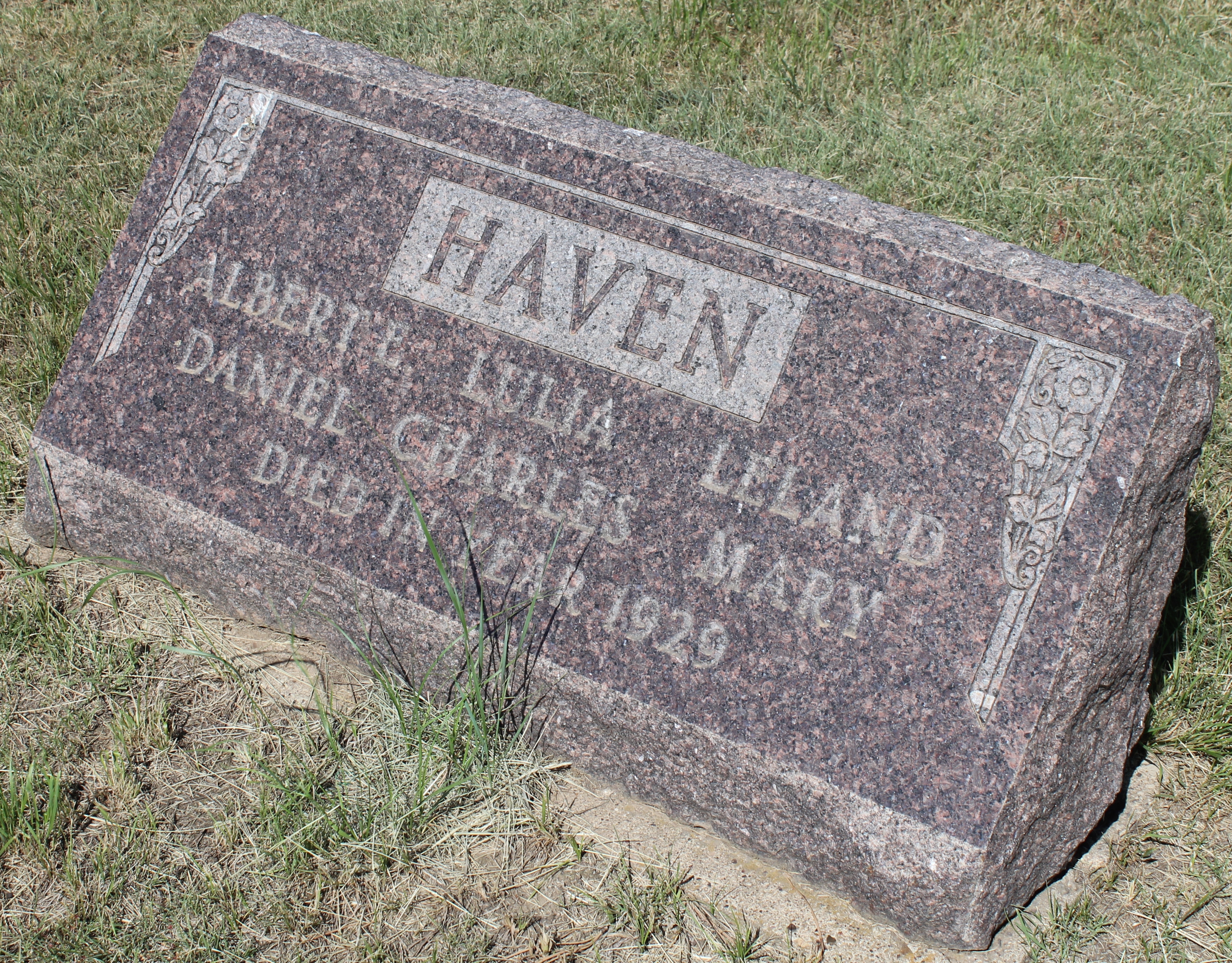
In the winter of 1930, on a farmstead situated about a mile north of the small village of Schafer, just east of Watford City, North Dakota, the Haven family abruptly vanished from sight. The family, consisting of Albert, 50, Lulia, 39, and their four children, Daniel, 18, Leland, 14, Charles, 2, and the infant Mary, two months old, were hardworking and had established their lives on the farm for over a decade. The last time any of them were seen alive was on February 9, 1930.
Their sudden and complete absence was unsettling, but for months, no one knew the grim truth of what had transpired.
Living on the Haven farm after their disappearance was the family's hired hand, a 22-year-old man named Charles Bannon. When neighbors inquired about the family's whereabouts, Bannon claimed that they had packed up and moved to Oregon, and that he was now renting the property. For a time, this explanation seemed to suffice. Bannon's father, James, even joined him at the farm in February of that year, and together they worked the land and tended to the livestock. However, as the months wore on, Bannon's story began to unravel. By the autumn of 1930, he started selling off the Haven's personal property and crops, an act that aroused the suspicions of the local community and led to his arrest on grand larceny charges in December.
Under questioning, Charles Bannon's story shifted and eventually collapsed into a horrifying confession. He admitted to the murder of the entire Haven family. Bannon claimed that the tragedy began with an accidental shooting of the eldest son, Daniel. In a panic, and by his account fearing for his own life as the rest of the family turned on him, he proceeded to kill Leland, Albert, and Lulia. The two youngest children, Charles and Mary, were also killed in the brutal sequence of events. He then concealed their bodies on the farm property. His father, James Bannon, who had been in Oregon at the time of his son's arrest, was also implicated and extradited back to North Dakota to face charges as an accomplice.
The community, already on edge from the family's disappearance, was horrified by the gruesome details of the murders. The case would not, however, proceed to a conventional trial for the primary suspect. In the early morning hours of January 29, 1931, a mob of men stormed the small stone jail in Schafer where Charles Bannon was being held. They overpowered the sheriff, seized Bannon from his cell, and took him to a nearby bridge where they hanged him. This act of vigilante justice was the last recorded lynching in the state of North Dakota. James Bannon, the father, was later convicted for his role as an accomplice to the murders and sentenced to prison.