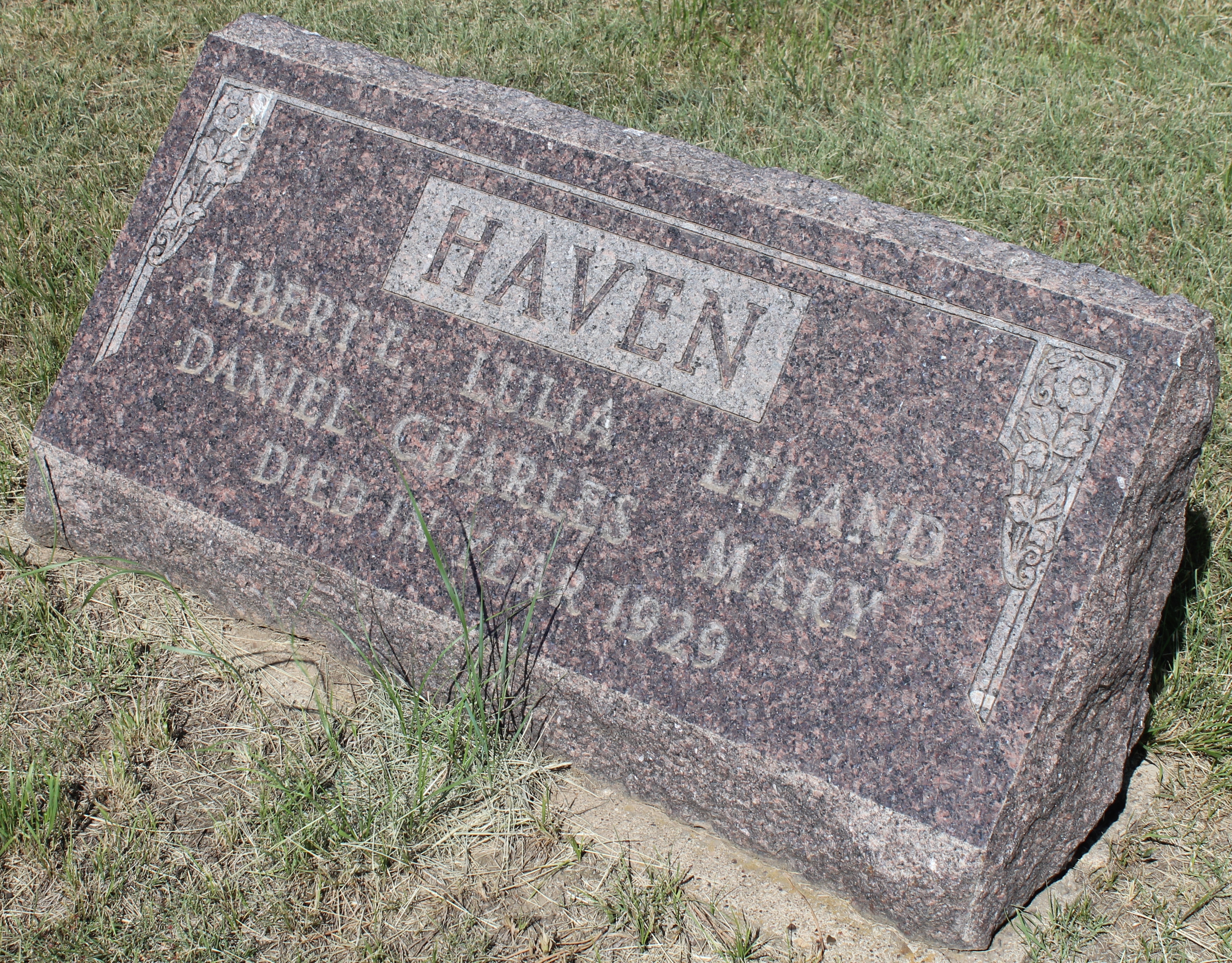
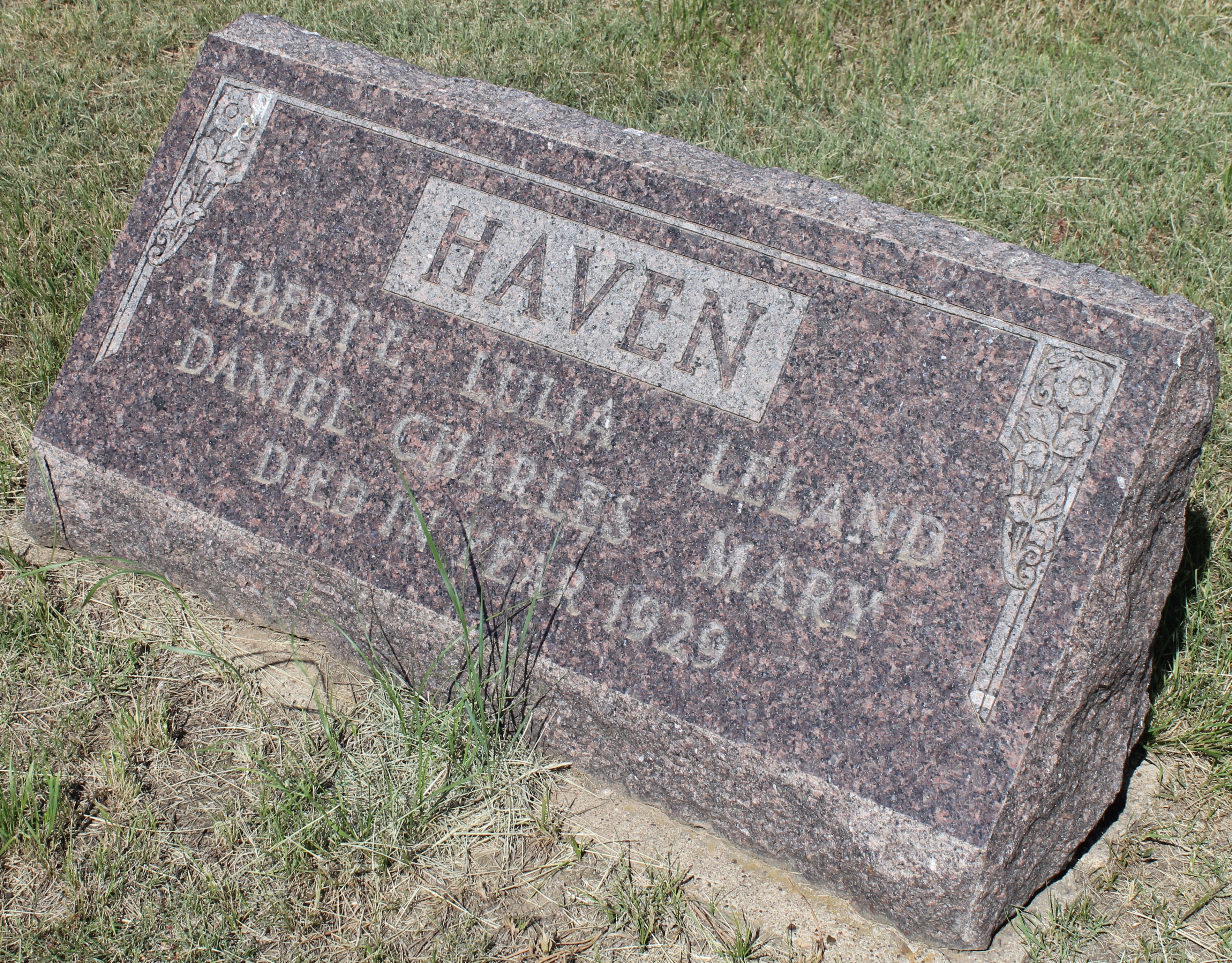
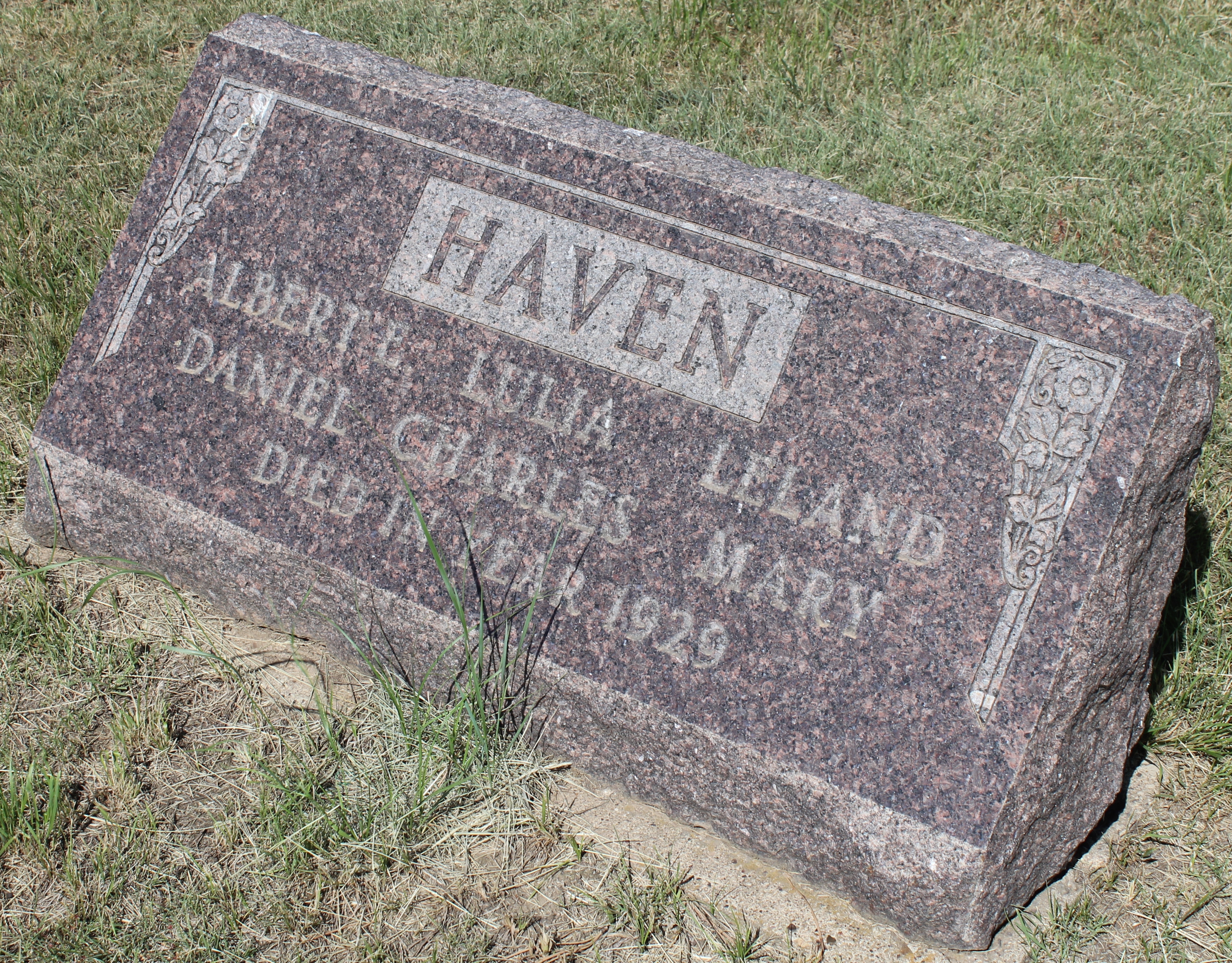
In the winter of 1930, the unsettling disappearance of the entire Haven family sent a wave of quiet concern through the small community of Schafer, near Watford City, North Dakota. Albert Edward Haven, a 50-year-old male, his wife Lulia, and their four children, Daniel, Leland, Charles, and Mary, had vanished from their farm without a word to neighbors or relatives.
For months, their absence was a mystery, with a former hired hand, Charles Bannon, and his father, James, living on the Haven farm and claiming the family had moved west to Oregon.
As the seasons changed and the Havens' mail piled up, suspicions grew among the locals. The turning point came in the fall of 1930 when Charles Bannon began selling off the Havens' property and crops. This act prompted an official investigation by McKenzie County authorities, who arrested the younger Bannon in December on grand larceny charges. Under questioning, Bannon's story began to unravel. Initially, he attempted to blame a stranger for the family's demise, but eventually, he confessed to the horrific murders.
Bannon admitted that on or around February 9, 1930, he had killed the entire Haven family. His confession detailed a brutal sequence of events, starting with the shooting of the eldest son, Daniel. Following this, he systematically murdered Leland, Albert, Lulia, and their two youngest children. The bodies of the family members were discovered buried in various locations on the farm.
Charles Bannon's father, James Bannon, was located in Oregon and extradited to North Dakota to face charges as an accomplice. The community's simmering anger over the brutal slayings reached a boiling point before the Bannons could be brought to trial. In the early morning hours of January 29, 1931, a large, organized mob of men stormed the Schafer jail. They seized Charles Bannon and hanged him from a nearby bridge, marking the last lynching in North Dakota's history. James Bannon was later tried, convicted of complicity in the murders, and sentenced to life in prison.