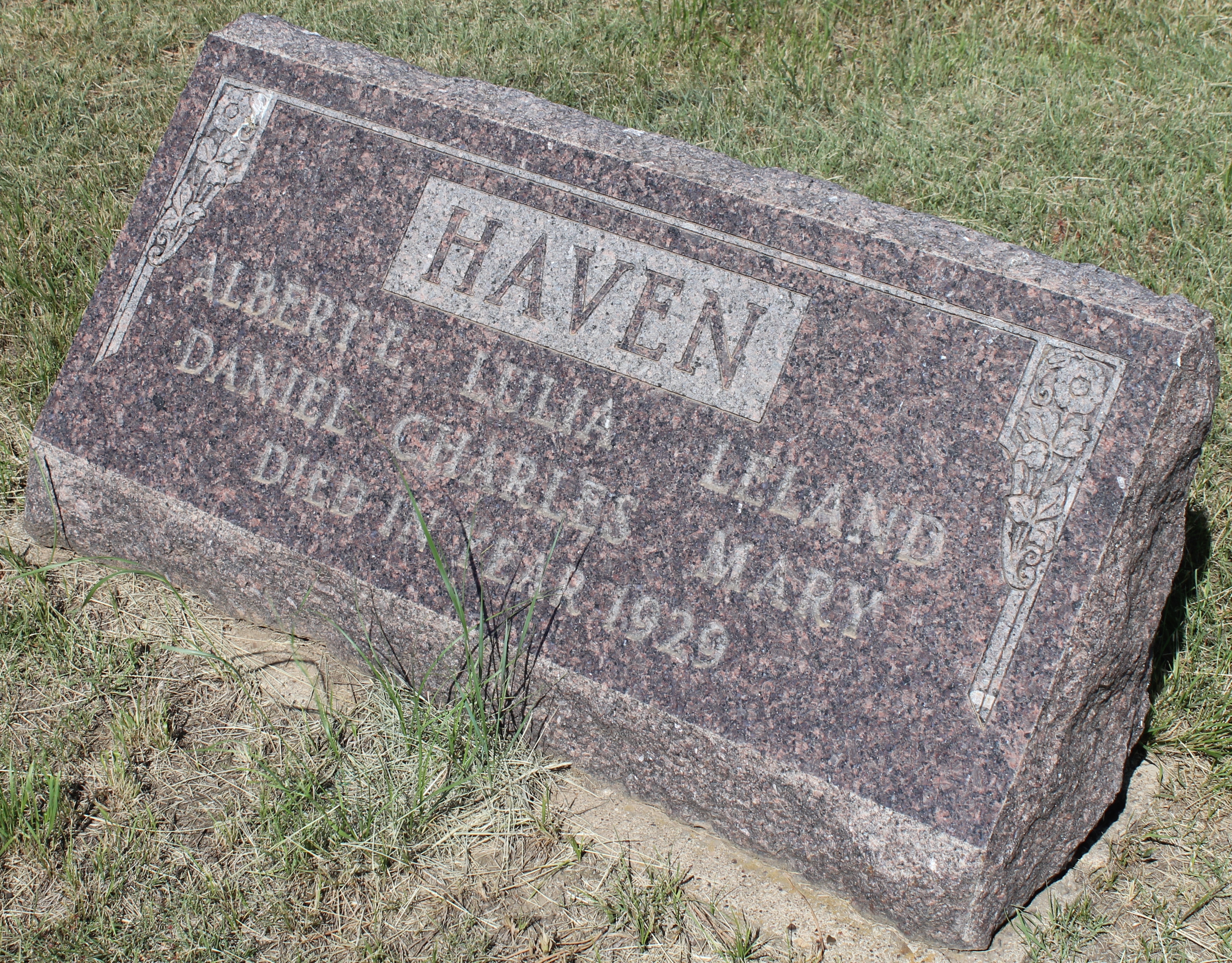
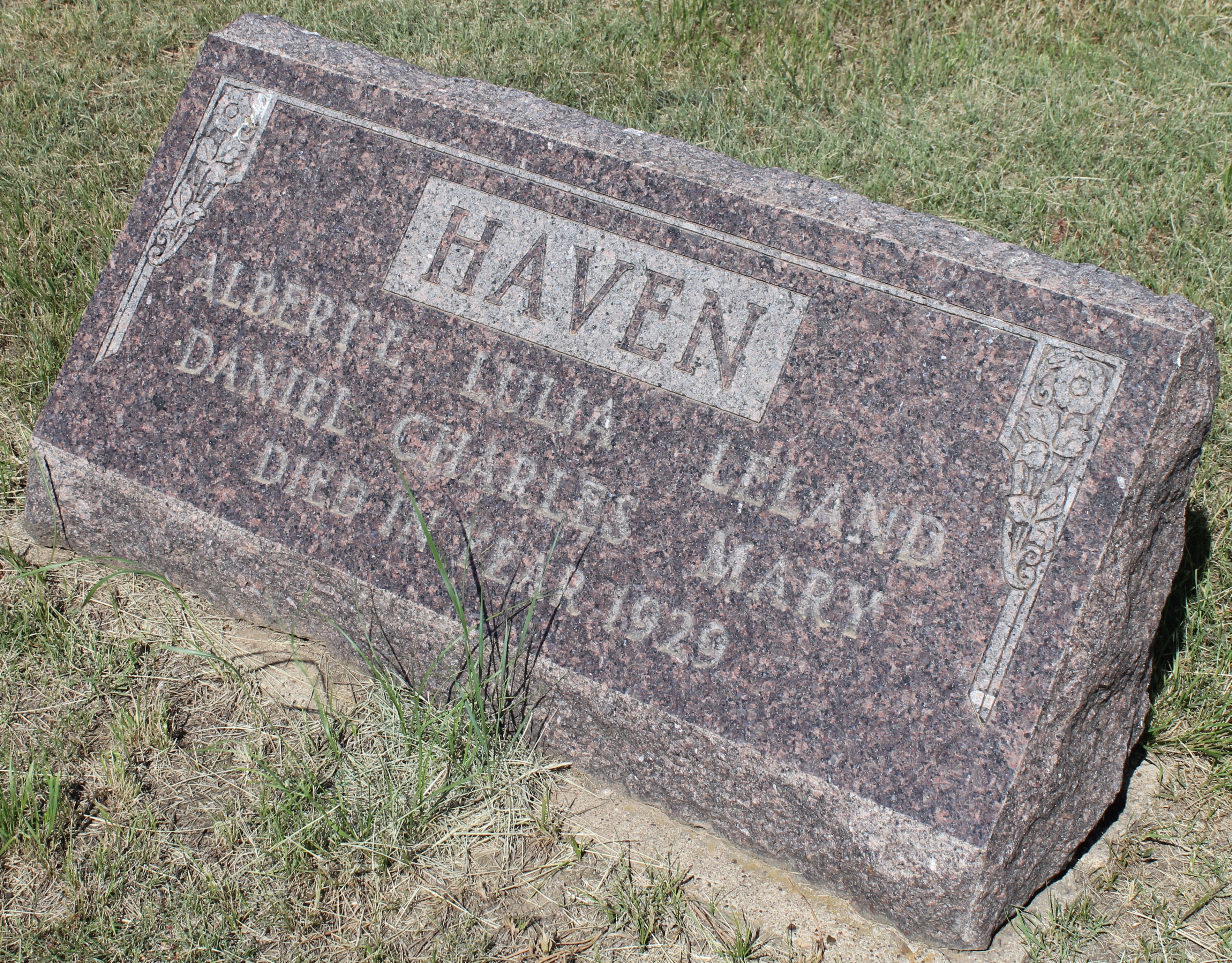
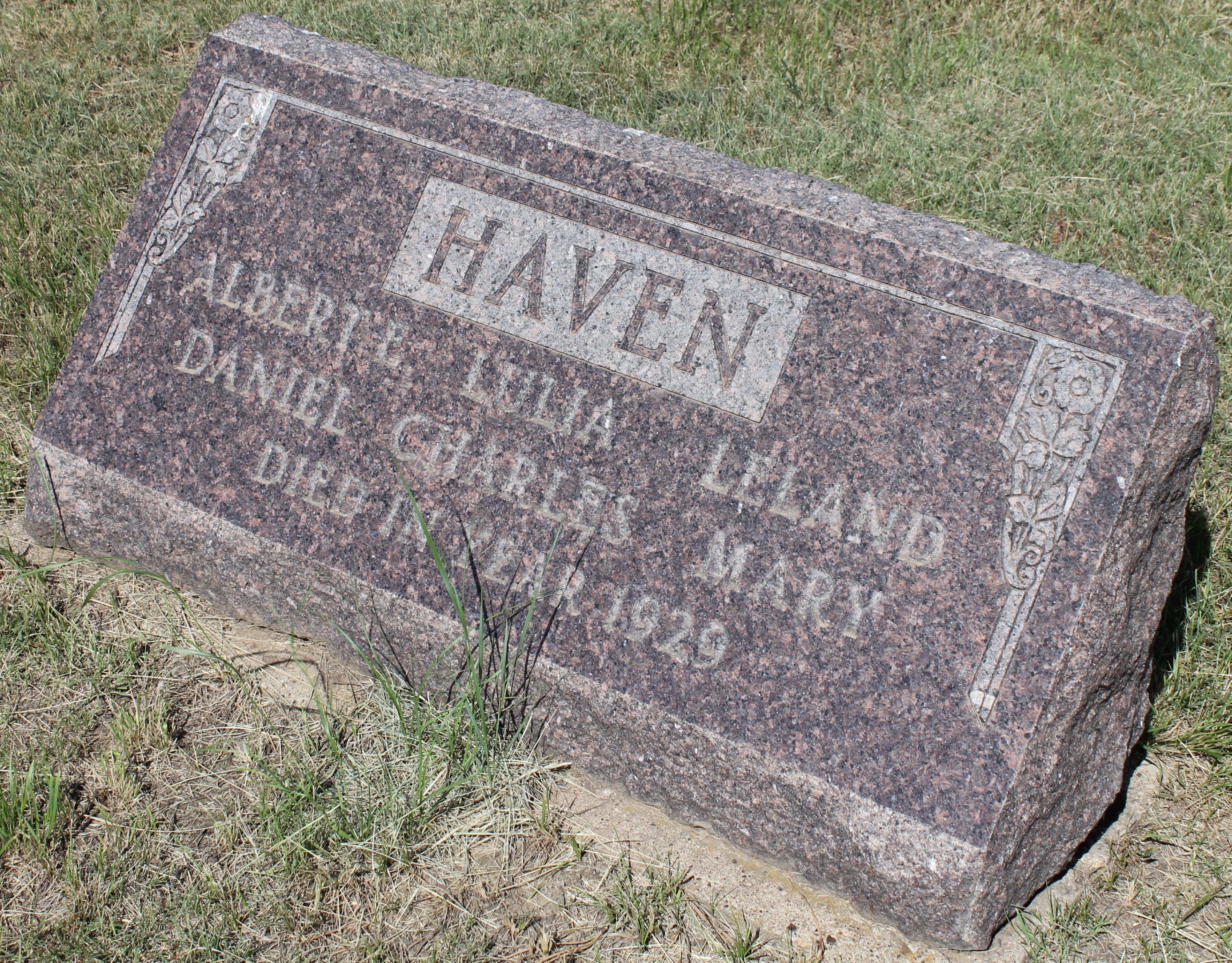
In the winter of 1930, near the small community of Watford City, North Dakota, a horrific event unfolded that would leave a lasting scar on the region. On February 9th, 16-year-old Leland Aster Haven, a male youth, tragically lost his life alongside his entire family. The remote farmhouse they called home became a scene of unimaginable violence, forever altering the peace of the prairie.
The victims of this brutal act were Leland's parents, Albert and Lulia Haven, and his siblings, Daniel, Charles, and Mary.
For a time, the disappearance of the Haven family was shrouded in mystery. Charles Bannon, a hired hand who worked on their farm, claimed the family had abruptly moved to Oregon. This explanation was initially accepted, but as time passed and Bannon began selling off the family's possessions, suspicion began to mount among their neighbors. The truth was far more sinister than anyone could have imagined. An investigation was launched, and the grim discovery of the family's remains unraveled Bannon's deceitful tale.
Faced with mounting evidence, Charles Bannon confessed to the murders of the six members of the Haven family. His confession detailed a violent altercation that began in the barn with the two older Haven boys, Daniel and Leland. The dispute escalated, leading Bannon to shoot them. In a desperate attempt to conceal his crime, he then proceeded to murder the rest of the family. Bannon's father, James, was also implicated in the crime as an accomplice. While awaiting trial, local sentiment against Bannon reached a fever pitch. In the early hours of January 29, 1931, a mob of outraged citizens stormed the jail where Bannon was being held. They dragged him to a nearby bridge over Cherry Creek and carried out their own form of justice, lynching him for his heinous crimes. This act of vigilante justice marked the last recorded lynching in North Dakota's history.