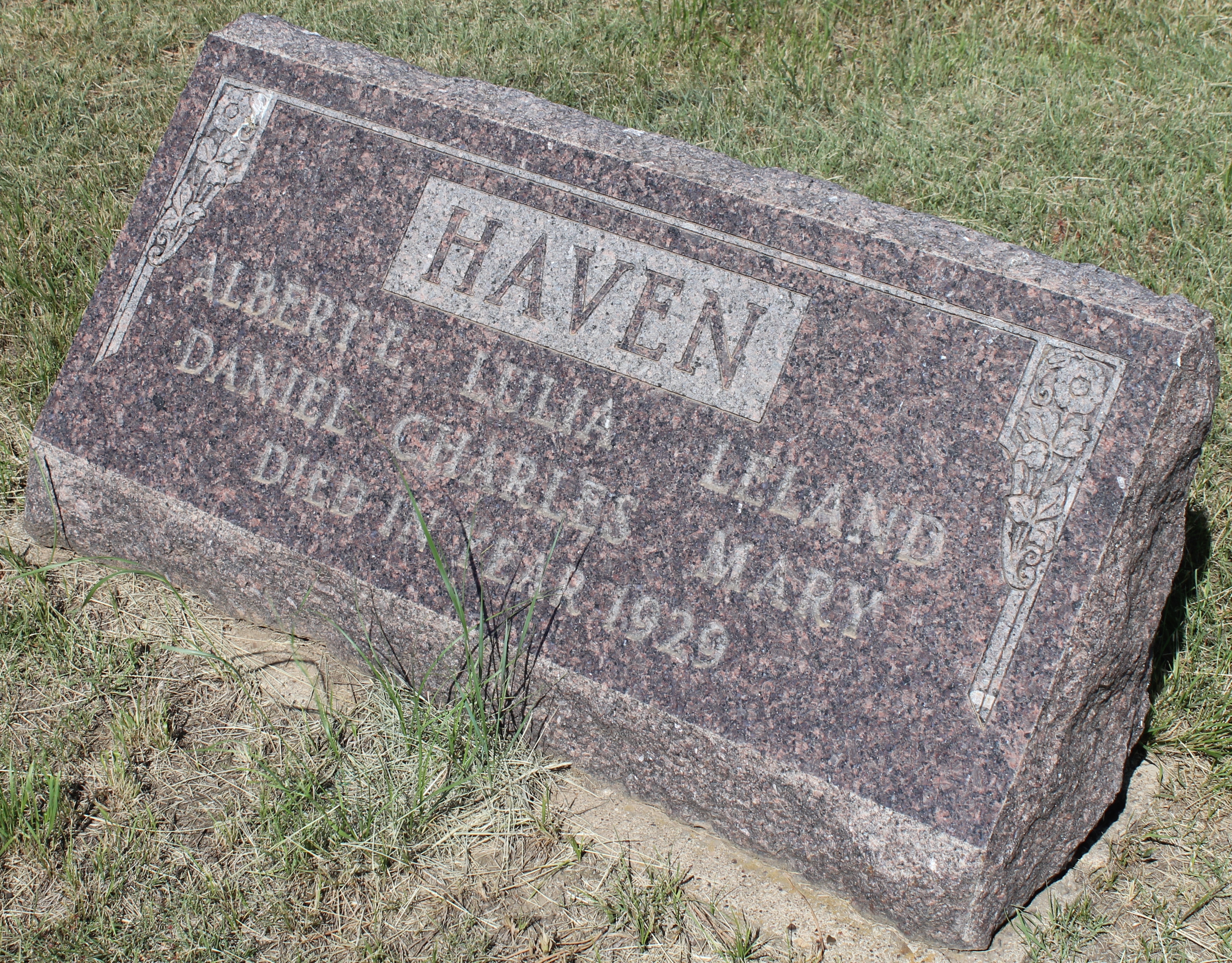
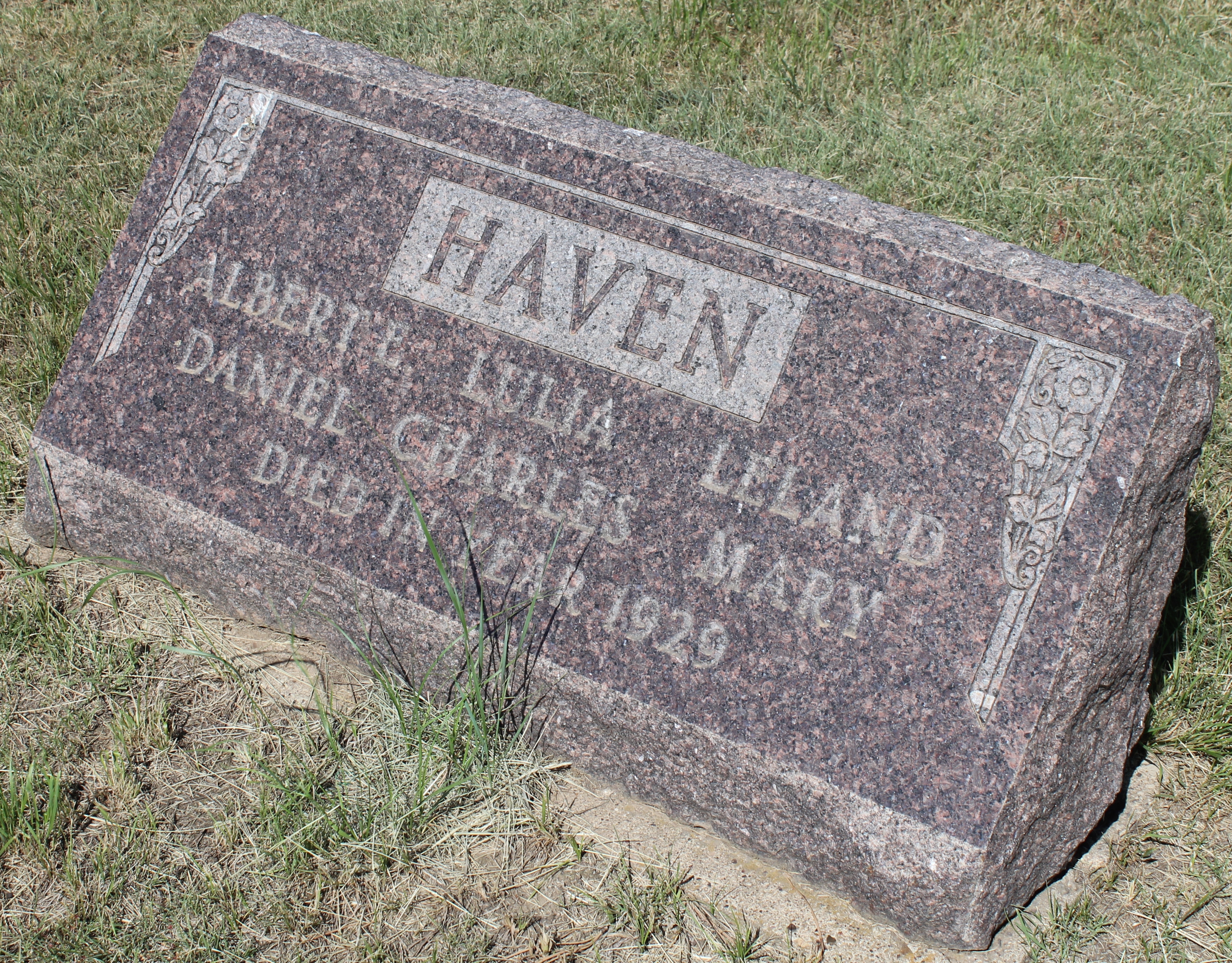
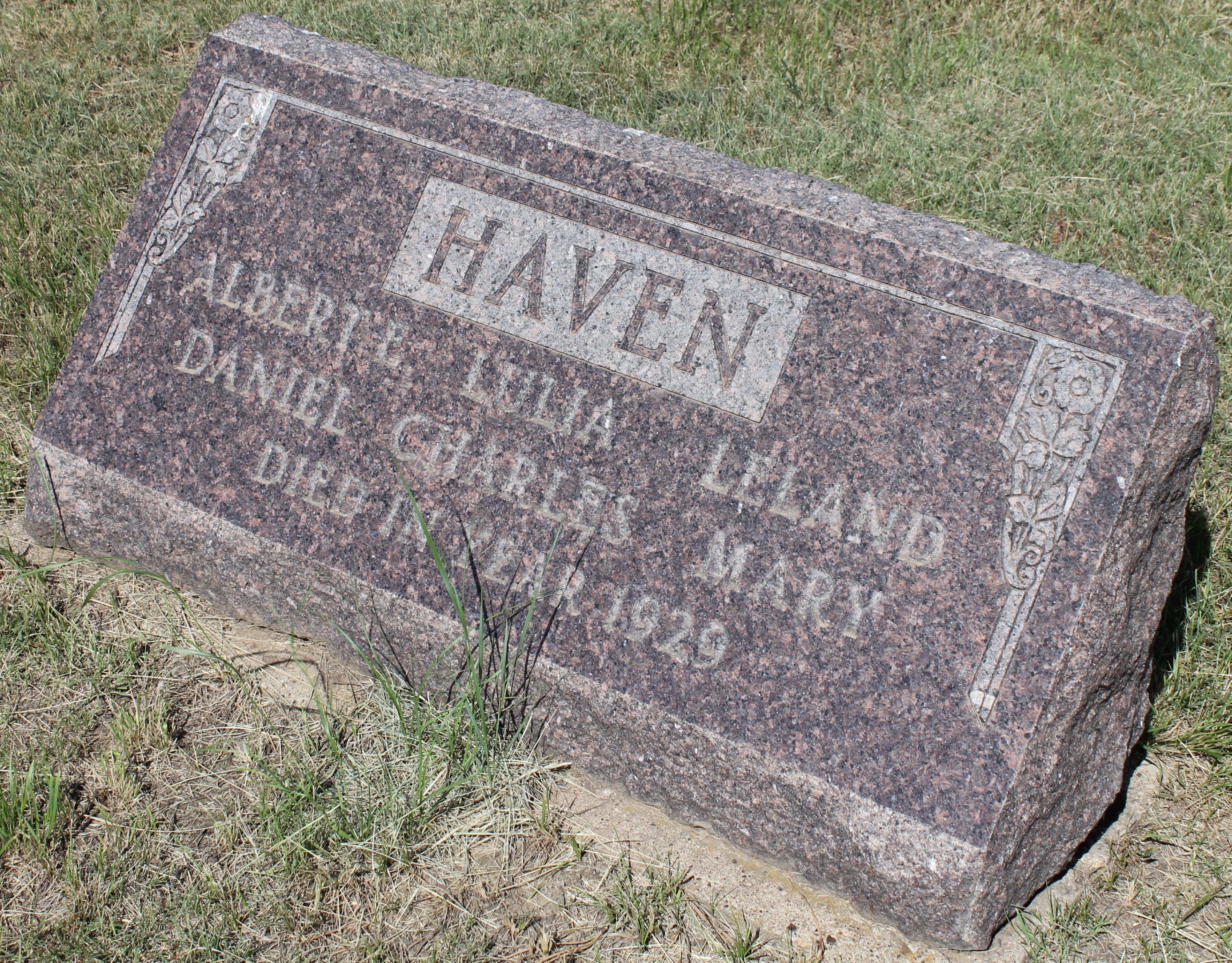
In the winter of 1930, near Watford City, North Dakota, a chilling silence fell over the Haven family farm. Three-year-old Charles Haven, a young male, his parents Albert and Lulia, and his siblings, Daniel, 18, Leland, 14, and two-month-old Mary, had vanished. The unsettling quiet was eventually broken by the actions of their hired hand, Charles Bannon, who began selling off the family's possessions, raising the suspicions of neighbors.
When questioned, Bannon claimed the family had abruptly moved to Oregon.
As the months wore on, the story of a sudden move grew increasingly thin. An investigation was launched, and the grim truth was unearthed. Bannon, under questioning, confessed to the horrific annihilation of the entire Haven family on February 9, 1930. His confession detailed a violent outburst that began with an altercation with the eldest son, Daniel. This initial act of violence escalated into the systematic murder of the entire family. Bannon's father, James, was also implicated in the crime and was later convicted as an accomplice, though he maintained his innocence.
The gruesome details of the murders and Bannon's confession stirred a profound sense of outrage and a demand for swift justice within the community. Before Bannon could be brought to trial, a mob of incensed locals stormed the jail where he was being held. They seized him and carried out their own brutal form of retribution, lynching him from a nearby bridge. This act of vigilante justice, the last of its kind recorded in North Dakota's history, brought a dark and violent end to a chapter of immense tragedy that began with the loss of a young boy and his entire family.