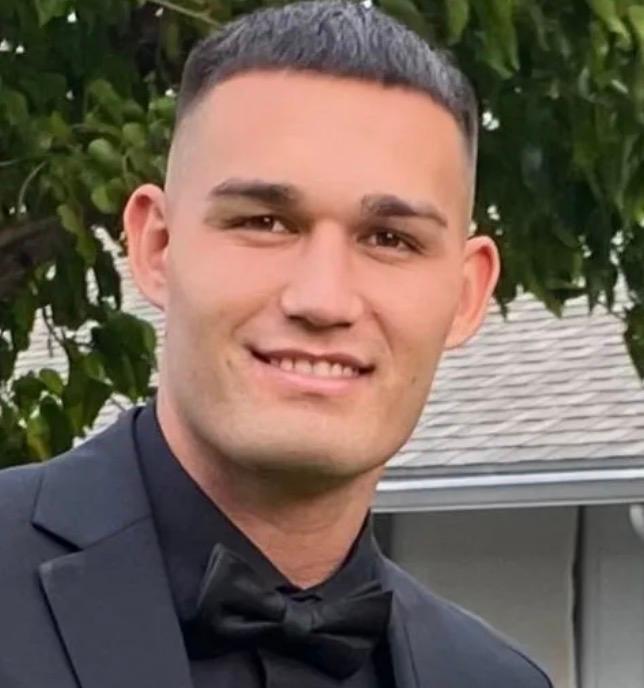
Steve Renard Makuakane-Jarrell, 47, a male National Park Service law enforcement ranger, was killed on December 12, 1999, at Kaloko-Honokohau National Historical Park in North Kona on the Big Island of Hawaii. Public reports say a visitor found his body in a brushy area near the shoreline after police were called late that morning, and investigators said he had been shot.
In the first stunned hours after the discovery, the case carried the kind of shock that hangs over a park after violence has broken the ordinary rhythm of the place. His service weapon was reported missing, and the FBI, working with Hawaii County police, took the lead in what quickly became a homicide investigation.
What investigators pieced together was a confrontation that began with a complaint about aggressive dogs in the park. According to later court reporting, Makuakane-Jarrell had gone to check on a woman's complaint involving a transient man and his three dogs. During the encounter, a struggle broke out, and prosecutors said the suspect, Eugene Frederick Boyce III, gained control of the ranger's handgun and shot him at close range. An affidavit and later reporting said Boyce told authorities he had acted in self-defense, but investigators alleged that after the shooting he dragged the ranger's body into nearby bushes, buried the gun under a rock, and hid other equipment, including the ranger's radio and pepper spray.
The arrest came quickly. On December 14, 1999, Boyce was captured in the Puuanahulu area of North Kona after what authorities described as a brief chase and a tense roadside encounter. One report described him as nervous and armed with a hunting knife when civilians and law enforcement crossed paths with him before the arrest. Federal authorities identified him as the man wanted in the ranger's killing, and a federal grand jury soon indicted him for first-degree murder, alleging that he killed Makuakane-Jarrell with premeditation and malice aforethought. At that point, the case looked headed toward the most severe possible punishment, with prosecutors saying he faced life without parole or even the death penalty if convicted.
But the case did not move in a straight line. Over the years, repeated questions about Boyce's mental condition stalled the prosecution. Court coverage said he was diagnosed with paranoia and schizophrenia and was declared incompetent to proceed several times before finally being found competent enough to stand trial. When the case was eventually tried, mental health evidence took center stage. In 2006, Boyce was found not guilty by reason of insanity in the killing. The verdict did not erase what happened in the park that day, but it changed the legal ending of the story from a murder conviction to a finding that he had committed the act while legally insane.
Even after that verdict, Boyce was not simply released. A federal judge later ruled that he remained dangerous and ordered him committed to a secure federal medical facility. Reporting at the time said prosecutors argued he should remain in custody for the rest of his life, and the court agreed that confinement in a secured treatment setting was necessary. So in the public record, the case ends not with a conventional conviction, but with an arrest, a murder charge, years of competency litigation, an insanity acquittal, and a long-term commitment order tied to the fatal shooting of Ranger Steve Renard Makuakane-Jarrell.