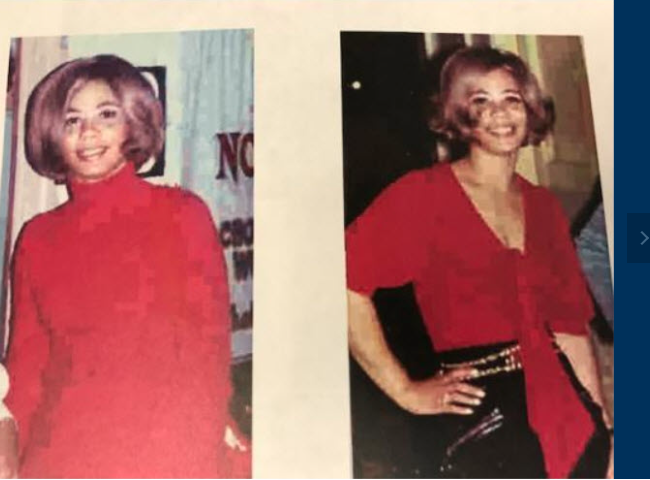
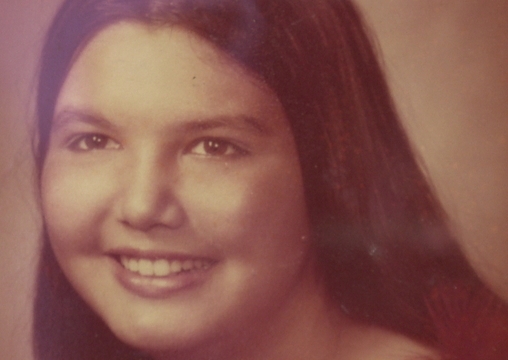
Celestae Gibbons, a 42-year-old White/Caucasian woman from Kauai, was living through the strain of a relationship coming apart when her life ended in violence on July 18, 2016. She was described publicly as a dental technician, a working mother whose ordinary routines were shattered in an instant on the island's south side near Lihue.
Investigators said the night unfolded in Puhi with their young daughter close by.
An argument erupted while Celestae and her estranged husband, Justin Gibbons, were in a vehicle, with the child sitting in the back seat. Police accounts reported that he shot Celestae, and she managed to run for help into a nearby residence within the complex, trying to put walls and strangers between herself and the gun. He followed her inside and shot her again.
The violence did not continue into a manhunt or a courtroom because it ended where it began. After the shooting, police said Justin Gibbons ran outside the complex and fatally shot himself, leaving officers to arrive not to a search for a fleeing suspect but to a scene already silent except for the shock of what had happened. In the aftermath, authorities treated the case as a murder-suicide, with no arrest made and no criminal charges filed because the identified shooter was dead at the scene.
In the months that followed, the details of Celestae's death were cited in public discussions about domestic violence in Hawaiʻi—how quickly separation can turn dangerous, how isolation can amplify risk, and how a single night can reframe an entire community's sense of safety. Her story, anchored to Puhi and the last moments described by police, became part of a broader call to recognize warning signs and strengthen protection for people trying to leave volatile relationships.