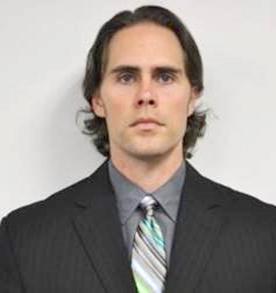
John William Bost III, a 41-year-old White male, died on July 28, 2020, on Maui after being shot inside the Kīhei Division office of the Maui Police Department, where he worked as a Bureau of Alcohol, Tobacco, Firearms and Explosives special agent assigned to Maui and embedded alongside local officers. Accounts describe him as being on duty at the station when a rifle discharged, striking him; officials later said he succumbed to the injuries from that accidental discharge.
In the days that followed, initial and subsequent statements from law enforcement framed the incident as a line-of-duty death caused by an inadvertent firearm discharge rather than an intentional act. Public summaries emphasized that investigators determined the shooting was accidental, and that the fatal wound came from the discharge of a rifle inside the station. Those same reports did not describe a confrontation, a pursuit, or a suspect at large—only the sudden, devastating moment when the weapon went off and the effort afterward to understand how it happened.
Because authorities characterized the incident as accidental, public reporting and official memorial pages did not identify any suspects connected to a homicide, nor did they report arrests or criminal charges stemming from an intentional killing. The information available in the public record instead centers on the investigation’s conclusion, the loss felt across agencies, and the sense of disbelief that a routine day inside a police facility could end with a fatal discharge.
Tributes and biographical notes portray Bost as a longtime law enforcement professional whose career included years of service with ATF and earlier service in municipal policing, and they recount that he was honored and laid to rest back in North Carolina after ceremonies acknowledging his end of watch. Reports from Maui also described the visible farewell—motorcades, salutes, and the quiet formality of colleagues escorting him home—underscoring that, even without a suspect to pursue, the case left a permanent mark because the danger came from inside the very place meant to be safe.