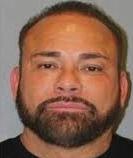
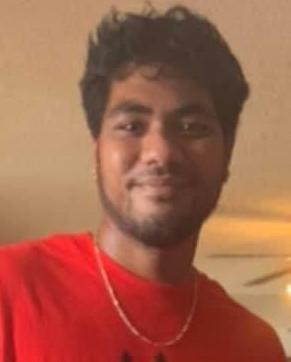
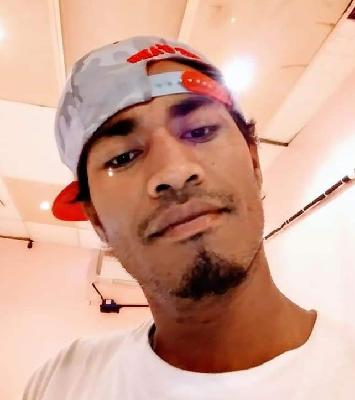
Victor S. Rivera, a 43-year-old Filipino man from Waipahu, died in the dark hours of December 14, 2013, after police were called to his family's home on Hiapo Street to investigate a dropped 911 call. Obituary records say he had been born on November 4, 1970, in San Nicolas, Victoria, Tarlac, Philippines, and was working as a custodian at Aiea High School.
By the time officers reached the backyard, the night had already turned tense and chaotic, with authorities saying Rivera was holding a long metal pole fitted with a blade at the tip.
According to contemporaneous reporting, witnesses told police that Rivera had threatened a family member before officers confronted him. Police Chief Louis Kealoha said Rivera ignored commands to drop the weapon, moved toward officers, and made cutting motions. One officer fired a Taser, but officials said it did not stop him. A second officer then opened fire. Early reports said multiple shots were fired and that Rivera was pronounced dead at the scene behind the home, turning what began as a family emergency into a fatal police shooting. Four Honolulu police officers were placed on administrative leave afterward while the case drew immediate scrutiny from relatives who believed the force used against him was excessive.
The story did not end in the backyard. Nearly two years later, Rivera's brother Randy filed a federal lawsuit alleging that the police response had escalated a mental health crisis instead of calming it. The suit said Victor had been diagnosed with schizophrenia in 2010, had stopped taking his medication, and that his family had been trying to get him medical help rather than summon a violent confrontation. The complaint named Officer Tyler Fujimoto and alleged that important information about Victor's mental state was not properly communicated before backup officers entered the yard with guns drawn. The family's version was starkly different from the official one: they claimed Victor dropped the pole after being hit by the Taser and was then shot anyway, with the lawsuit alleging Fujimoto emptied all nine rounds in his pistol.
As for suspects, arrests, and prosecutions, the available online reporting points to the officers involved as the focus of the controversy, especially Fujimoto as the officer identified in the civil case, but I did not find reliable online evidence that any officer was arrested or criminally charged in connection with Rivera's death. What the record does show is an administrative response immediately after the shooting and a later civil battle brought by Rivera's family over whether the shooting was lawful and avoidable. In that sense, the case lingered not as a murder prosecution with named civilian suspects, but as a bitter dispute over police force, mental illness, and whether a family's plea for help ended in a death that should never have happened.