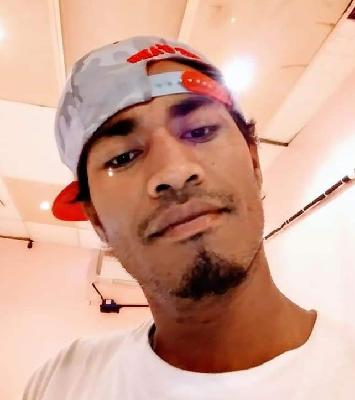
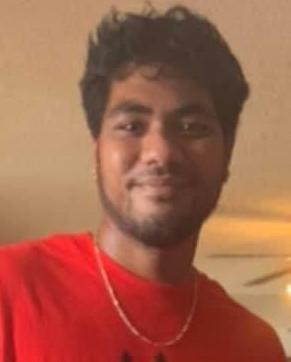
Jon Tokuhara, a 47-year-old man from Waipahu, was found shot to death inside his acupuncture clinic on January 13, 2022, a Hawaiian healer whose ordinary workday ended in a sudden, quiet violence. Family members grew worried when he stopped responding and then failed to appear as expected, and by the time he was discovered on the floor of his office, the room was in disarray—paperwork scattered, the kind of scene that feels less like a burglary than a moment interrupted.
Investigators built their early timeline around surveillance video from the area: a man dressed to blend in—covered face, sunglasses, a white bucket hat—approaching the clinic and slipping inside, then leaving almost as quickly as he came. The footage also captured a white pickup truck moving to and from Waipahu in a pattern detectives believed matched the suspect’s travel, and it became a case of chasing small details that refuse to disappear: the hat that fell to the street as the man walked away, the truck’s make and color, the brief, decisive window of time the killer seemed to need.
As police dug into motive, the investigation narrowed onto Eric Thompson, who detectives and prosecutors said had learned months earlier—through Instagram messages and videos—of an affair between Tokuhara and Thompson’s wife, who had been Tokuhara’s patient. According to testimony summarized in coverage, detectives compared registrations for similar white Chevrolet Silverado work trucks and said only one registered owner appeared connected to Tokuhara: Thompson. The dropped bucket hat, police said, became another thread; investigators traced it after it was picked up, and later testified that DNA testing tied Thompson to it, strengthening the argument that the figure on video and the man they were building their case around were the same.
Thompson was arrested on February 14, 2022, after authorities said they had developed enough evidence to charge him in the killing. Court hearings soon turned into a tug-of-war over whether he should remain free pending trial: prosecutors described the shooting as planned and cold, while the defense argued the evidence did not place him at the scene as definitively as the state claimed. He was released after posting bail and was later placed under house arrest under court-ordered restrictions, as the case moved toward trial.
At trial, the defense pushed an alternative story—suggesting Tokuhara’s personal life and possible disputes could have created other enemies and that investigators became too focused on one suspect—while prosecutors returned to the same grim backbone: surveillance footage, the dropped hat, the truck, and a jealousy motive rooted in a relationship exposed online. Thompson’s first trial ended without a unanimous verdict, forcing the case into a retrial. In February 2025, a jury found him guilty of second-degree murder and a related firearm offense, and in late June 2025 a judge sentenced him to life in prison with the possibility of parole, including a mandatory minimum term before eligibility; reports also described an additional prison term for the weapons charge to be served concurrently. Coverage after sentencing indicated Thompson planned to appeal.