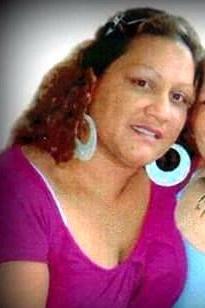
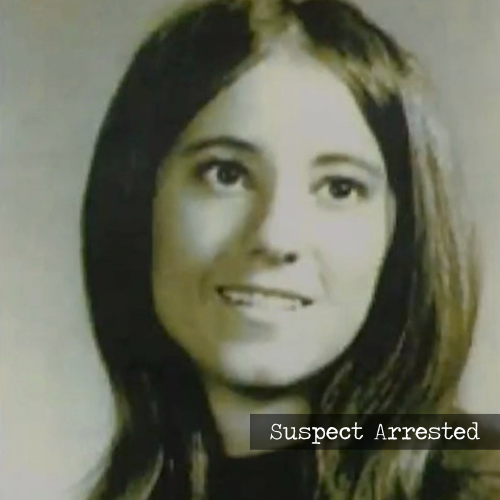
On September 13, 2024, a grim discovery in Honolulu’s Mānoa neighborhood set off a homicide investigation near the University of Hawaiʻi’s faculty housing on Dole Street. Christina Baca, 50, a White woman, was found unresponsive inside a storm drain in the early afternoon, her body already in a state of decomposition. An autopsy later determined she had been shot multiple times, and investigators ruled her death a homicide.
As police worked backward from the storm drain, they
focused on the days before she was found. Investigators said they believed the killing occurred in the early hours of September 9. Surveillance footage was described as showing Baca and Gibran Copeland walking toward the storm-drain area late on September 8, and then showing Copeland leaving the nearby Hawaiian Studies area alone hours later. When detectives asked the public for help, they also released details meant to anchor memories—what she had last been seen wearing, and the narrow window of time in which they believed the violence happened.
As the case unfolded, authorities framed the relationship between Baca and Copeland as central to what happened in Mānoa. Prosecutors and police described them as having been in an intimate relationship marked by prior domestic-violence incidents. Investigators also pointed to forensic testing—DNA results from evidence collected during the investigation, including material associated with Baca’s fingernails—that they said matched Copeland, strengthening the narrative that the encounter captured on video ended in the storm drain where she was later found.
An arrest followed weeks after the body was discovered. Police took Copeland, 44, into custody in October 2024, locating him near a tent where he had been living in the Kahala area. He was arrested on suspicion of second-degree murder and a firearms offense, and an Oʻahu grand jury later indicted him on a charge of murder in the second degree along with use of a firearm in the commission of a separate felony. In court proceedings that followed, Copeland entered a not-guilty plea and remained held without bail, with prosecutors signaling they would seek severe penalties associated with the charges, including the possibility of life imprisonment depending on sentencing factors and offender status.