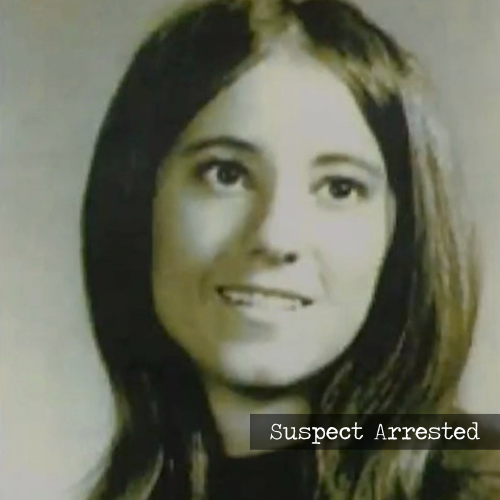
Do you know who murdered Ingrid? Ingrid Ostrenga, 27, a White woman, spent Christmas Eve in Kailua on Oʻahu and never made it to Christmas morning. On December 24, 1975, she was found dead inside her own residence, the kind of quiet, familiar place that should have felt safest—until it became the scene of a killing. 
Detectives determined she had been strangled, and later retellings of the case describe an electrical cord being used as the weapon.
The violence wasn’t random or distant; it was intimate and close, the sort of attack that requires time, proximity, and control—leaving behind the question that haunts so many home murders: who was close enough to get inside her life, and why that night? 
People who knew her remembered a life that moved between bright stages and open air. Police noted she danced at the nightclub El Morocco and rode horses on the Windward side, balancing late nights under club lights with early hours around stables and trails. Those details—work, routine, passions—became the starting points investigators could trace, hoping that somewhere in the overlap between nightlife, acquaintances, and everyday comings and goings, a name would surface that fit the crime. 
But nearly fifty years on, the public record still reads like a door left ajar. Honolulu police continue to list the case as a cold case, and the available official summary does not publicly identify an arrested suspect, a named person of interest, or any filed charges tied to her death. What remains is the stark outline of what happened—found at home, strangled—and the lingering absence of the one detail that would make the story end: who did it, and what finally proved it.