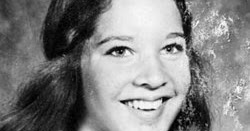
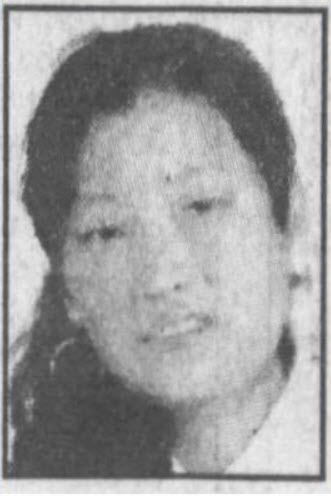
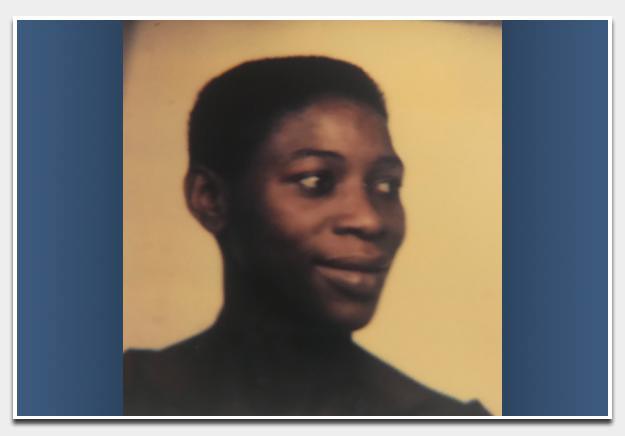
In the winter of 1971, Roberta Ululani Aveiro, a 25-year-old woman in Honolulu, Hawaii, married a man named Eugene Walter Barrett. Their union came after the birth of their son the previous year, a child who would grow up never knowing his mother. Roberta’s life was cut short before she had a chance to watch him grow, becoming the second of three women to be killed by Barrett, a serial killer whose violent history was marked by the failings of the justice system.
Roberta’s marriage
to Barrett was troubled from the start. Barrett, a U.S. Army veteran who had been dishonorably discharged for excessive drinking, had already served time for killing a former girlfriend, Annie Phillips, in 1959. He shot Phillips to death in front of her children after she ended their relationship. Sentenced to life, he was shockingly paroled after then-Governor John A. Burns commuted his sentence, allowing him to be free to meet, marry, and ultimately murder Roberta.
The couple’s life together was brief and marred by Barrett’s persistent alcoholism. By November 1972, less than two years after their wedding, Roberta had made the difficult decision to leave him, filing for divorce to protect herself and her son from his destructive behavior. She moved into the Hawaii Hotel on Cooke Street, seeking refuge and a new start. But her hope for a life free from Barrett’s influence would be tragically extinguished just one month later.
On December 27, 1972, Eugene Barrett went to the hotel where his estranged wife was staying. In the courtyard, he confronted Roberta and brutally stabbed her multiple times in the chest with a kitchen knife. She died from her injuries. In a bizarre turn, Barrett later walked into a nearby bar and asked the manager to call the police so he could turn himself in. He was arrested and charged with murder.
The legal proceedings that followed were a painful echo of the past. Barrett waived his right to a trial and pleaded guilty to a reduced charge of manslaughter. Instead of being held accountable for the murder of a young mother by a man who had already killed, he was sentenced to just ten years in prison. In another failure of the system that was supposed to protect the public, Barrett was paroled in 1976, having served only three years for taking Roberta’s life. His parole requirements were dismissed entirely by 1982.
Freed once again, Barrett would go on to kill a third woman, Doneshia "RoxAnne" Kastner, in 1995. Only after this third murder was he finally given a sentence that would keep him off the streets for good: life in prison with the possibility of parole after 40 years. The final conviction sparked controversy and highlighted the repeated leniency that had allowed him to take three lives over a span of 36 years.
Roberta’s son, Bert, was raised without his mother and grew to despise the father who had murdered her. Years later, Roberta's daughter-in-law, Teia Pahia, reflected on the immense pain Barrett had caused. "He really hates him because his whole life was changed over the experience," she said of her husband. While she maintained some contact with Barrett for genealogical purposes, she acknowledged the difficulty, stating, "Knowing his crimes, it's very hard." Eugene Barrett died in a medical center in Waimalu, Hawaii, on November 8, 2003, having spent a total of only 19 years in prison for the murders of three women.