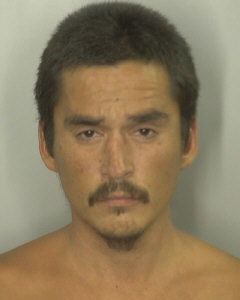
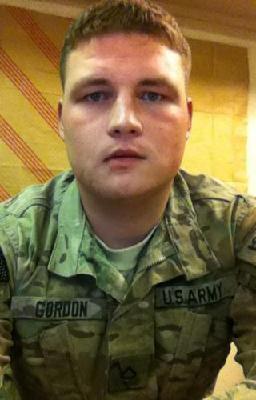
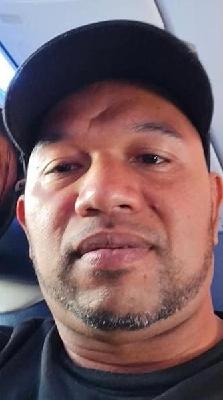
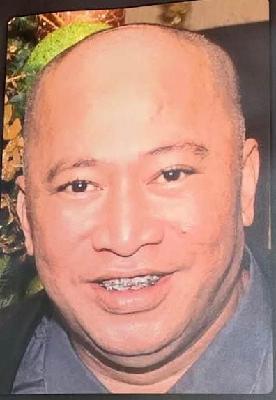
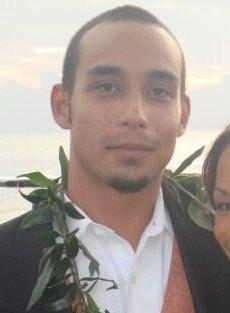
Shawn Lewis, 42, a white man who had been living in Wailuku after previously residing in West Maui, was known around the island as “Bigfoot,” a nickname tied to a partially amputated left leg and a stubborn love of the ocean that carried him into the adaptive surfing world. Late on September 15, 2024, the night settled into the kind of quiet that makes headlights feel loud on Honoapiʻilani Highway—until an automated iPhone crash-detection alert pulled dispatchers’ attention to
Waikapū, near the intersection of Honoapiʻilani Highway and Waiolu Place. What sounded, at first, like a single-vehicle wreck would quickly be treated as something darker. 
Officers arriving at the roadside found a red minivan stopped on the shoulder and a stranger already trying to keep Lewis alive, pressing a shirt against a wound at his neck to slow the bleeding. Police later described the call as initially coming in as an accident, but the scene told a different story: Lewis had been shot, and the gunshot appeared to have caused him to lose control and crash. He was rushed to Maui Memorial Medical Center, but about an hour and a half later—early on September 16—he was pronounced dead. The highway closure that followed, stretching through the pre-dawn hours, began under the haze of a traffic investigation and ended under the sharper focus of a shooting case. 
As detectives worked the scene, they collected two shell casings from the crash site and widened the search for anything that could explain why a driver ended up dying on the shoulder of a busy highway. Surveillance footage from the guard shack at Maui Tropical Plantation became pivotal: investigators said it captured a blue 2019 Hyundai Sonata, which they identified as the suspected shooter’s vehicle. The car was located and impounded on September 19, and police reported that subsequent investigation helped them identify a suspect. In the first days after the killing, the department publicly appealed for witnesses and tips, emphasizing that they were still reconstructing the sequence of events. 
By early December 2024, reporting based on court filings and police commission information identified Sekonaia “Kona” Takafua as the person under investigation for Lewis’ death. According to those accounts, Takafua was arrested four days after the shooting—but not for the homicide itself. Instead, police took him into custody on firearms allegations tied to an earlier April 4 incident in Wailuku, when officers found him and another man asleep in a gray BMW blocking an area along Kaae Road. After officers observed marijuana and drug paraphernalia in plain view, the vehicle was seized; a search later turned up a loaded. 45-caliber handgun with no serial number described as a “ghost gun,” additional ammunition, and other rounds in the car. Prosecutors filed multiple firearms charges, and court arguments in that separate case included warnings that Takafua might flee if he learned a murder charge was coming. 
Later court coverage indicated that Takafua was ultimately charged with second-degree murder in connection with Lewis’ death, and that pretrial fighting over the case had become intense. An August 2025 report described defense challenges that invoked speedy-trial rights and attacked aspects of the grand-jury process, alongside a request to reduce bail said to be nearly $3 million; the judge reportedly denied the bail reduction and the speedy-trial argument at that hearing, while additional questions about the grand-jury proceedings were continued for later review. Publicly available reporting in these sources did not describe a trial verdict or conviction at that stage, only a case moving through hearings with the core allegation unchanged: that Lewis was killed in a shooting on the highway in Waikapū.