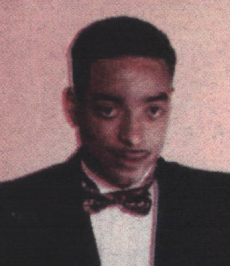
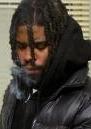
Do you know who murdered Howard Wilson III? In the early hours of Sunday, October 29, 2006, on a quiet stretch of 16th Street NE in Washington, D.C., Howard Randolph Wilson III, a 24-year-old African-American man, crossed paths with a burst of violence that would end his life and leave his loved ones searching for answers. Around 2:25 a.m., gunfire shattered the darkness along the 1600 block, drawing the attention of residents who were jolted awake by the sound of shots outside their homes.
When the noise faded, the street was no longer just another residential block in the nation’s capital, but the scene of a homicide that has remained unresolved for nearly two decades.
Police officers responding to calls about the shooting arrived to find Howard lying wounded, suffering from gunshot injuries on the block where the attack had taken place. Emergency personnel moved quickly, but the damage had already been done. Despite what was described as prompt medical attention, he succumbed to his injuries there at the scene, his life ending on the pavement in the same city listed as his home. In the immediate aftermath, the Metropolitan Police Department cordoned off the area, began documenting the scene, and tried to piece together how a man could be gunned down in those early-morning hours with so little clarity about what led up to the gunfire.
The investigation was taken up by the Metropolitan Police Department’s Violent Crimes Branch, which assumed responsibility for trying to identify who had pulled the trigger and why. Official bulletins described Howard as having been shot and killed on the block, and they emphasized that detectives were actively seeking the public’s help. Detectives Jackie Middleton and Oscar Mouton were listed as the primary contacts, their phone numbers printed on a homicide flyer that also reiterated the department’s standing offer: a reward of up to $25,000 for information leading to the arrest and conviction of the person or persons responsible. The notice urged anyone who knew anything to come forward, whether by calling the detectives directly or contacting the department’s Synchronized Operations Command Center.
As the years passed, however, the basic outline of the case remained largely unchanged. The Metropolitan Police Department continued to carry Howard’s death on its roster of unsolved homicides, reflecting that investigators were still seeking information and that no closure had been achieved in court. Independent case listings and summaries echoed the same stark reality: the homicide remained under investigation, with no publicly identified suspect and no record of any arrest tied to the shooting that claimed his life that night. Appeals for information are still active, inviting memories, whispers, or long-held secrets from anyone who might know what really happened in those minutes before 2:25 a.m. For Howard’s family and community, the official language of “unsolved” and “under investigation” is more than bureaucratic phrasing; it marks the enduring absence of answers about who ended his life and why, and keeps his story suspended between a violent past and the hope that someone, someday, will finally speak up.