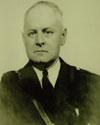
Alexander McGill, a male railroad police special agent, was killed on December 22, 1912, near Elrod, Alabama, in a case that unfolded aboard Mobile and Ohio passenger train No. 103 as it ran between Artesia, Mississippi, and Tuscaloosa. By the available accounts, McGill was working his patrol on the train when he encountered a railroad porter in the baggage car who was allegedly selling whiskey to passengers. What began as an on-duty confrontation turned deadly. The porter shot McGill, and McGill’s body was then thrown from the train onto or near the railroad bridge over the Sipsey River, leaving the crime scene stretched between the moving cars, the dark rail line, and the cold river below.
The story carries the violence and urgency of a man killed in the middle of his work, far from any easy rescue. McGill was not an anonymous traveler caught in chance danger; he was a lawman on the train, a former chief of police in Tuscaloosa who had gone on to serve with the Mobile and Ohio Railroad Police for several years. That background makes the killing feel even more stark: a seasoned officer stepping into what must have seemed like a routine act of enforcement, only for the encounter to turn into a fatal ambush on a moving train. Sources indicate he left behind a wife and five children, which deepens the sense of how abruptly the murder shattered a family as well as a railroad community.
As for suspects and arrests, the online sources point to one primary suspect: the porter McGill had confronted. Those sources say the suspect was arrested soon after the killing and taken to Birmingham, Alabama, specifically to prevent a lynching, suggesting the case drew immediate public fury and fear of mob violence. The suspect’s name is not given in the sources I found, but the reporting is consistent that authorities treated the porter as the man responsible for McGill’s death.
The case did not end with the arrest. Later source material states that the porter, described there as 40 years old, was convicted of murder and sentenced to life in prison. One account adds that he was paroled for 12 months in July 1935, failed to return, and was later reported dead in a Pittsburgh hospital in January 1937. Even with those later developments, the heart of the case remains the same: Alexander McGill’s killing was not left as an unsolved mystery in the sources available online. It appears to have produced an arrest, a prosecution, and a conviction, with the porter remaining the central and only clearly identified suspect in the historical record I was able to verify from online sources.