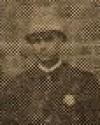
In the late summer of 1915, a tragic and unforeseen event led to the death of Deputy Sheriff Joseph P. Stevens in Manila, Alabama. On the final day of August, Deputy Stevens was actively involved in a surveillance operation alongside the chief deputy. Their mission was to monitor the Southern Railroad tracks in Burnsville, a response to a recent act of sabotage where railroad ties were deliberately placed across the tracks in an attempt to derail the Southern Railroad's passenger train No.
27.
The two lawmen had positioned themselves approximately half a mile apart to watch for the culprits. As the surveillance continued, Deputy Stevens emerged from a thicket of bushes about thirty yards from the chief deputy's position. In a fatal case of mistaken identity, the chief deputy did not recognize his colleague. He called out, and upon receiving no response, he fired his weapon, believing he was confronting one of the armed saboteurs.
The single blast from the chief deputy's gun mortally wounded Deputy Sheriff Joseph Stevens. The incident was a somber reminder of the inherent dangers of law enforcement work, where a split-second decision under tense circumstances can have devastating consequences. There were no suspects to apprehend in the deputy's death, as it was the result of an accidental shooting by a fellow officer.