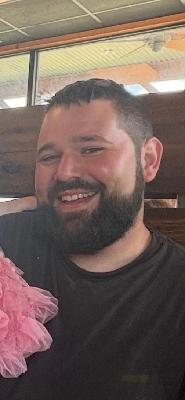
William Thomas McMinn, a deputy sheriff in Madison County, Alabama, died on October 7, 1939, after walking into a crowded community dance with a warrant in his pocket and long-standing local tensions at his heels. He was a 55-year-old White/Caucasian man. The setting was described as a harvest-season gathering at a schoolhouse near Sugar Fork, where families came from miles around for music, tradition, and the crowning of a “Harvest Queen,” with votes bought in pennies and pride riding on
the count.
Accounts preserved in later local-history material paint the night as one that turned on small sparks and old grudges. The warrant had been sworn out against a local man named Alden Adams after an earlier run-in involving McMinn’s son, and though the paper had reportedly sat forgotten for a time, it resurfaced as tempers flared outside the dance. A quarrel broke out in the schoolyard when Adams declared there would be no dance and McMinn confronted him, grabbing his arm; Adams struck him in the mouth, drawing a thin line of blood. In that hush that follows a public insult, McMinn produced the old warrant and told Adams he was under arrest—and within seconds a shot cracked the silence, dropping McMinn to the ground dead. The same narrative emphasizes that the faces around them gave nothing away, as if the crowd had decided at once that no one would ever truly say what happened.
After the killing, the law did move in, at least on paper. The same local-history account says Adams was arrested for first-degree murder and bound over for trial, and that proceedings began on November 21, 1939. Witnesses could describe the fight and the attempt to serve a warrant, but the testimony was riddled with fear and evasions—missing witnesses, delayed sessions, and answers that collapsed into “I don’t know” and “I don’t remember.” Even so, a jury found Adams guilty of first-degree murder; the judge reduced it to second-degree murder and sentenced him to 15 years. In that telling, Adams was released in 1949, returned home, and tried to gather proof that someone else had fired the fatal shot—only to be met with another burst of gunfire after offering a reward, dying instantly at his own doorstep, as though the same code that kept the first secret had closed ranks again.
Other memorial summaries of the case recount the pursuit of suspects in a different shape, describing two suspects arrested in connection with McMinn’s death, with one convicted and the other acquitted. Those summaries add a further, grim coda: that both suspects were later shot to death by angry citizens. In those retellings, the killing at the dance was followed not only by arrest and courtrooms, but by a kind of violent community verdict delivered outside the justice system.