In the early morning hours of July 19, 1995, William Gerome Hardy, a 49-year-old African American male and a 23-year veteran of the Jefferson County Sheriff's Office, was shot and killed. He was working an off-duty security detail at the Crown Sterling Suites on Woodcrest Place when he was gunned down in the parking lot while investigating a noise complaint.
Responding officers found Deputy Hardy mortally wounded, with his own firearm still in its holster.
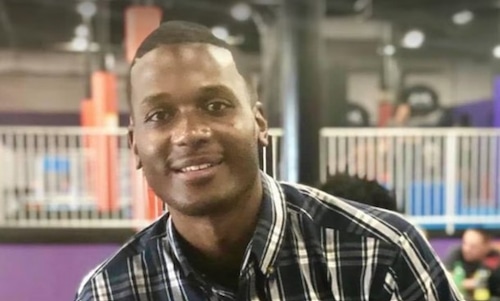
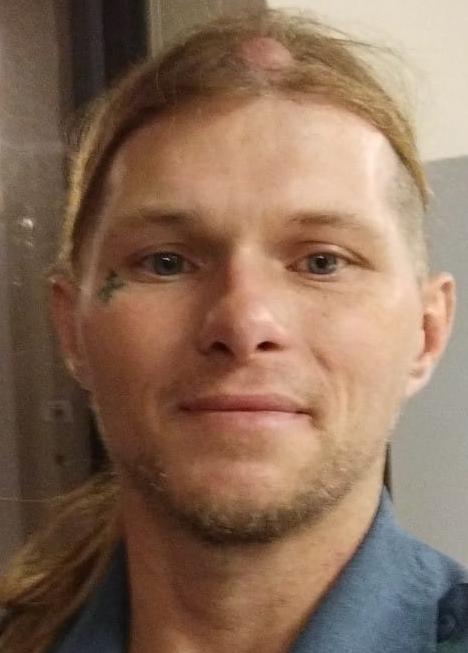
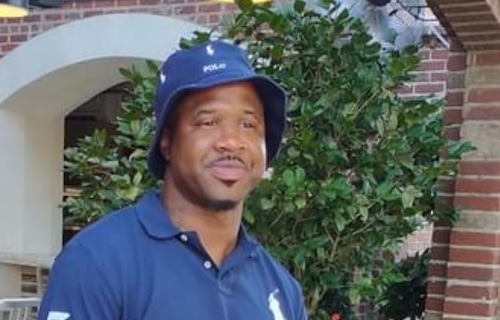
The investigation into Hardy's murder led to the arrest of four young Black men: Toforest Onesha Johnson, Ardragus Ford, Omar Rahman Berry, and Quintez Wilson. All four were charged with capital murder. However, the path to justice proved to be complex and fraught with controversy. Prosecutors eventually dropped all charges against Berry and Wilson. Wilson was later killed in a separate shooting incident in 2008. The cases against Johnson and Ford proceeded to trial, with prosecutors presenting different theories of the crime at each of their separate trials.
Ardragus Ford was ultimately acquitted of all charges. Toforest Johnson's first trial ended in a hung jury. At his second trial in 1998, the prosecution's case rested heavily on the testimony of a single witness, Violet Ellison. Ellison claimed she had eavesdropped on a jailhouse phone call and overheard a man identify himself as "Toforest" confessing to the murder. Based largely on this "earwitness" testimony, Johnson was convicted of capital murder and sentenced to death. There was no physical evidence linking Johnson to the crime scene, and numerous alibi witnesses placed him at a nightclub miles away at the time of the shooting.
In the years following his conviction, significant doubts have been raised about the validity of the case against Toforest Johnson. It was later revealed that the key witness, Violet Ellison, was paid $5,000 for her testimony, a fact that was not disclosed to Johnson's defense team at the time of the trial. The case against Johnson has drawn widespread criticism, with many, including the original trial prosecutor and the current Jefferson County District Attorney, calling for a new trial due to concerns about the witness's credibility and the lack of other evidence. Johnson remains on death row, and his case continues to be the subject of legal challenges and public debate.