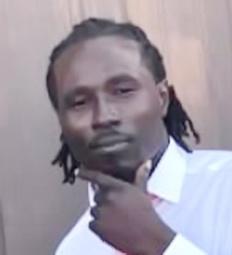
Marquette A. Collins was 28, a Black man, when his life ended in Montgomery, Alabama, on March 20, 2009. What survives in the public record is a life sketched in fragments: the date his family had to start counting time from, the places that gathered to mourn him, and a city already worn thin by late-night violence.
In the telling preserved online, Collins was shot outside the Rose Supper Club, a nightlife spot in Montgomery that had drawn repeated scrutiny over years for overcrowding,
fights, and gunfire. The account describes him being found slumped against the steering wheel of a car parked outside the club, another fatal shooting added to a short list of deaths tied to that same location.
Afterward, his death was marked in the solemn, practical language that follows a sudden loss. A published notice identified him as a Montgomery resident and laid out funeral plans, placing loved ones at the center of what came next: services at Freewill Baptist Church, burial in Oakwood Annex Cemetery, and a long roll of family members and close friends who would carry his name forward. The notice also recorded that he left behind children and parents who would have to answer, for years, the question no obituary can resolve—why he was taken and who decided it.
As for the investigation that should have followed the gunfire into the daylight, the accessible online sources that mention Collins by name do not identify any arrested suspect, any charged defendant, or any courtroom outcome connected to his killing. In what remains publicly visible, there is only the blunt fact of the shooting, the place where he was found, and the formal announcements that came after.