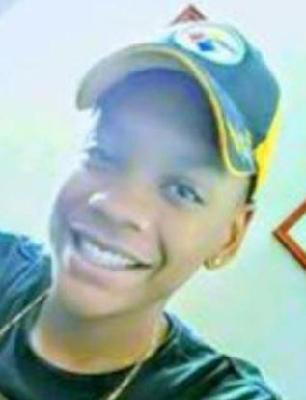
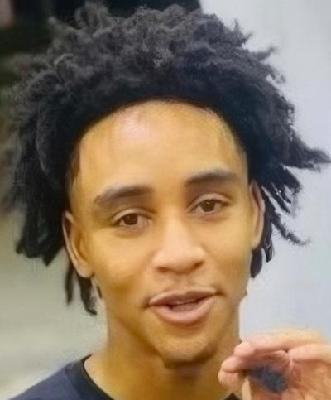
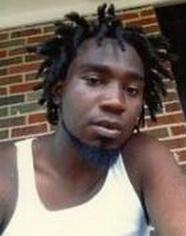
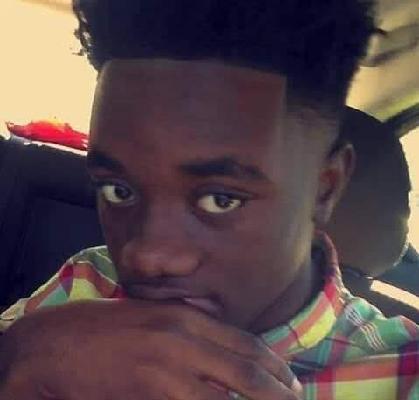
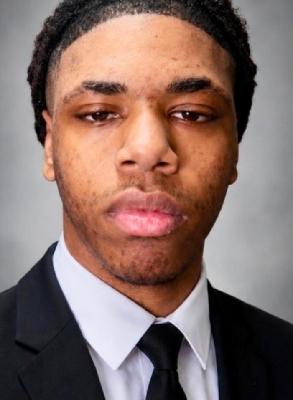
In the early hours of February 4, 2018, the life of a promising young man, 20-year-old Shaquille Johnson, was tragically cut short in Montgomery, Alabama. An African American male, Johnson was a celebrated athlete in his community, known for his remarkable talent as a quarterback at Robert E. Lee High School. His skill on the football field had led his team to the playoffs in 2015 and earned him the title of 2015 Fever Star Athlete of the Year.
After high school, he continued his education at Trenholm State Community College with aspirations of one day enrolling at Alabama State University.
On that fateful Sunday morning, at approximately 8:36 a.m., emergency responders were dispatched to the 1800 block of Winona Avenue. Upon their arrival, they discovered Johnson suffering from a severe gunshot wound. He was quickly transported to a local hospital for medical attention, but despite the efforts of medical personnel, he was pronounced dead. His death was officially classified as a homicide, marking the fifth murder in the city of Montgomery that year.
For nearly three years, the case of Shaquille Johnson's death remained a painful and unanswered question for his family and the community that had admired him. Then, in November 2020, a significant breakthrough occurred in the investigation. A grand jury indicted 21-year-old Antonio Deashawn Stovall on a charge of capital murder in connection with Johnson's shooting. In addition to the murder charge, Stovall also faced accusations of stealing a Chrysler Sebring and shooting into an occupied dwelling. Following the indictment, Stovall was arrested and taken into custody at the Montgomery County Detention Facility, bringing a measure of hope for justice for Shaquille Johnson and all who mourned his loss.