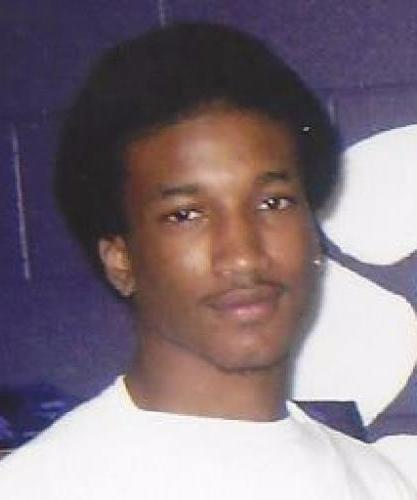
In the early hours of a Sunday morning in Birmingham, Alabama, on January 29, 2012, the life of 23-year-old Jeffery Davis Jr. was tragically cut short in a brutal act of violence that also claimed the lives of four other men. The shocking discovery was made by police officers who were responding to a report of a robbery in progress at a home in the Ensley Highlands neighborhood. Inside the residence, they found a scene of carnage, with five men, including Davis, fatally shot.
The other victims were identified as Charles 'CJ' Render, 21, Demetrius Sanders, 19, Jonathan Sanchez, 23, and Ronnie Render, 42.
The quintuple homicide stunned the community and launched an intensive investigation by the Birmingham Police Department. Less than a day after the bodies were discovered, authorities announced the arrests of three suspects. The swift apprehension of these individuals brought a small measure of relief to the grieving families and a city grappling with the senseless loss of five of its own. The investigation that followed would slowly unravel the events that led to the horrific slayings in the Ensley Highlands home.
In the ensuing legal proceedings, three men were charged in connection with the deaths of Jeffery Davis Jr. and the other four victims. Rashad Stoves, Artavius Underwood, and Reginald Mims faced capital murder charges. As the case moved through the justice system, details of what transpired in the house on that fateful January morning began to emerge. The trials and plea agreements would ultimately determine the legal consequences for those responsible for the deaths. Artavius Underwood and Reginald Mims both reached plea deals. Underwood pleaded guilty and received a life sentence. Mims pleaded guilty to five counts of felony murder and a robbery charge, resulting in a 25-year sentence.
Rashad Stoves, however, went to trial. In December, a jury convicted him on five counts of the lesser charge of felony murder and one count of reckless manslaughter. He was subsequently sentenced to six concurrent life sentences, with the possibility of parole. Though the legal chapter of this tragic event has closed, the profound loss for the families of Jeffery Davis Jr. and the other four victims remains a painful and enduring reality.