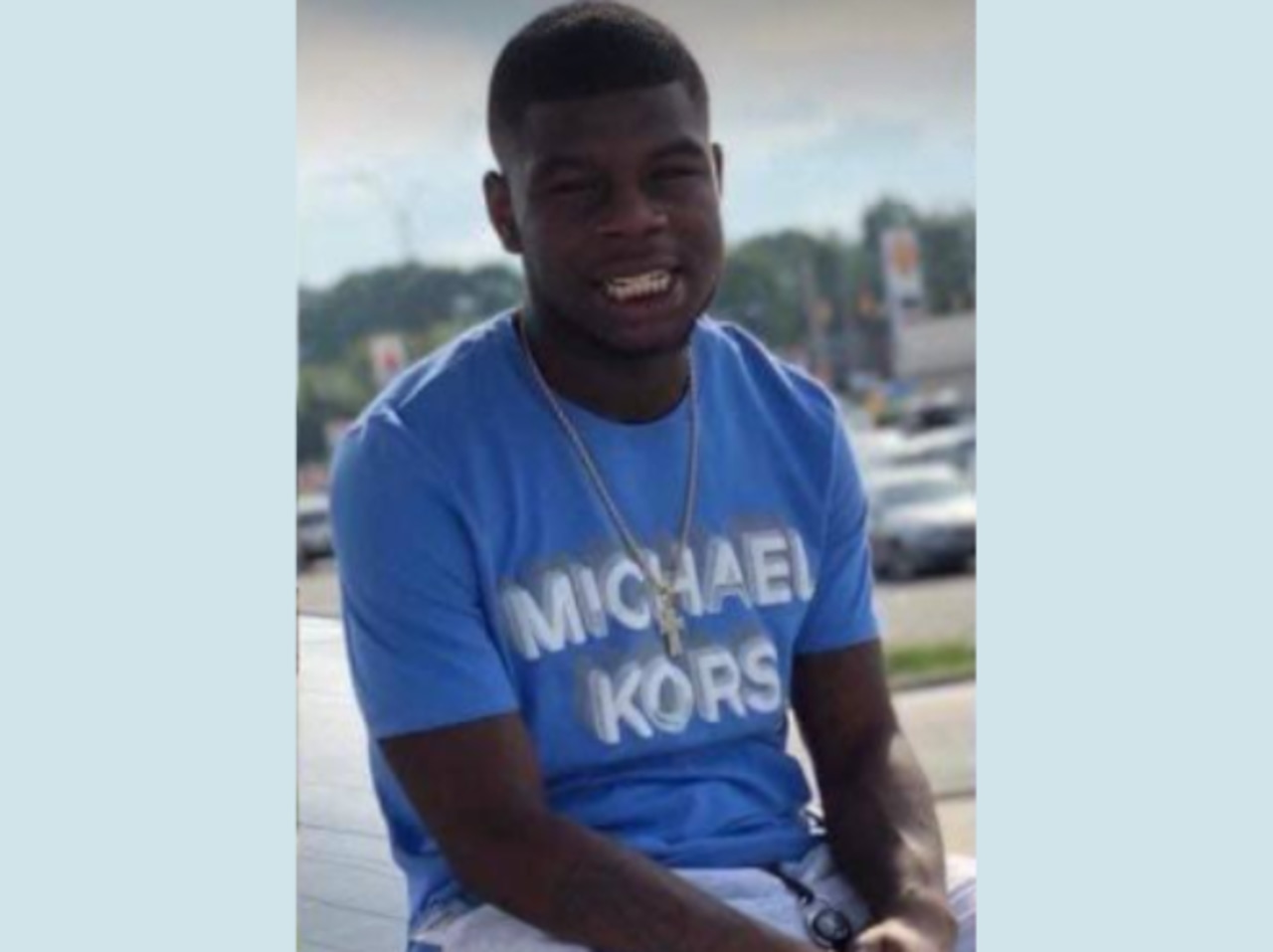
Nicholas Smith, a 23-year-old Black man, was shot on the night of Friday, May 1, 2015, in Birmingham, Alabama, in a neighborhood officers identified around the intersection of 44th Street and 12th Court North. The first call pulled police to a home where the scene felt incomplete—blood on the sidewalk, the sharp evidence of violence, but no victim in sight.
Investigators soon learned Smith wasn’t waiting for an ambulance or a patrol car; he was already being rushed toward help, driven by a relative with his girlfriend alongside him.
At the hospital, doctors fought to keep him alive, but the wound proved devastating. By the following day—Saturday, May 2—Smith was pronounced dead at UAB Hospital, and what had begun as a frantic search for a wounded man hardened into a homicide investigation. Police said he had been shot in the head, and detectives started trying to reconstruct what happened in the hours leading up to the gunfire: who was there, what set it off, and which direction the shooter disappeared into after the shot was fired.
In the immediate aftermath, investigators publicly described the case in the simplest, most urgent terms: they were searching for whoever was responsible. No suspect was named in the reports, and no arrest was announced at the time. The killing was logged among Birmingham’s 2015 homicides, where it was noted as a death from head injuries suffered in that Kingston-area shooting, with no arrest listed.
As family and friends faced the quieter days that follow a sudden death, Smith’s obituary placed his life in dates that felt too close together—born November 2, 1991, and gone May 2, 2015—while funeral arrangements were made through Eastside Funeral Home in Birmingham. The public record, meanwhile, remained focused on the unanswered question left behind at that address near 44th and 12th: who fired the shot that ended his life.