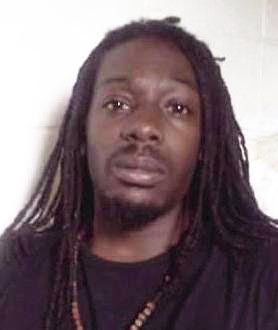
Arthur Moore Jr., a 57-year-old man, was killed in Opelika, Alabama, on Dec. 1, 2016, after gunfire tore into the home where he was found on Avenue B. The case unfolded with the kind of sudden, brutal violence that leaves a neighborhood stunned and a family trying to understand how an ordinary place could become a crime scene overnight. Public reporting at the time described the shooting as connected to shots fired into the residence, and authorities said Moore was discovered dead inside the
home after the violence.
What makes the case especially haunting is how little certainty followed the initial shock. The early accounts pointed to investigators trying to piece together whether the attack had come from outside the house, with reporting describing it as a possible drive-by style shooting. That detail turned the scene into something even more chilling: a man inside his own residence, struck down while behind walls that should have offered some measure of safety. In the immediate aftermath, police and the coroner’s office worked to establish exactly what had happened, while the community was left with the image of a home suddenly transformed into the center of a homicide investigation.
As for suspects, arrests, and court action, the publicly available online sources do not show a named suspect being formally identified in connection with Arthur Moore Jr.’s killing, and I did not find credible online reporting showing an arrest, prosecution, trial, or conviction tied to his death. In the absence of those milestones, the story remains one of unanswered questions: who fired into the house, what the motive was, and why Moore became the victim of a fatal attack that, at least in the public record available online, never reached the kind of resolution families wait for.
That lack of resolution is part of what defines the case now. Arthur Moore Jr.’s death was not just a moment of violence on a December day in Opelika; it became the start of a silence that stretched beyond the crime scene. The details that did emerge painted a stark picture of a man killed in his own home, with investigators searching for leads but no clear public breakthrough. For those who knew him, and for anyone who follows cases like this, the story endures not because every answer is known, but because so many of the most important ones still seem to be missing.