Anthony “Tony” Alberigi, 59, a white male from Fairfield, Alabama, stepped into what should have been an ordinary afternoon on February 15, 2018, as he went about his day at Western Hills Mall, where he had worked for years as the longtime manager. Outside the mall’s entrance, a simmering rivalry suddenly erupted. Police said one group of young men was leaving when another group recognized them, and the argument turned into a rapid exchange of gunfire—so many shots that the noise and
chaos spilled beyond the parking lot and into the surrounding area.
In the midst of that storm, Alberigi was not described as a participant—only as the person who happened to be standing in the wrong place at the wrong time. Accounts said he was struck by gunfire and collapsed on the sidewalk, dying there as the violence continued around him. Witnesses and police described multiple vehicles shot up in the lot; stray rounds hit cars at a nearby dealership, and the danger didn’t stay contained—authorities said the same suspects fled and opened fire again along Interstate 59/20 near the Arkadelphia Road exit, where a passing motorist was hit and left in stable condition.
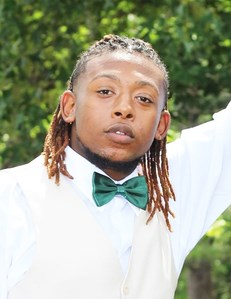
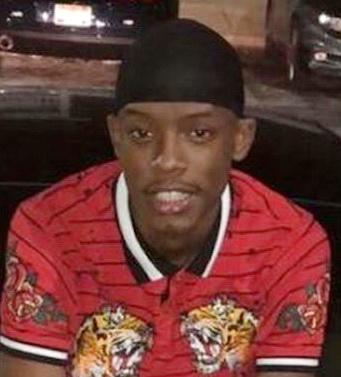
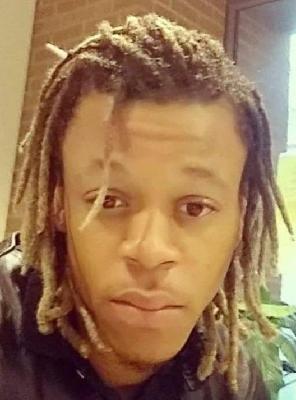
The immediate response became a manhunt. Police said they caught multiple suspects and recovered weapons from a vehicle, while at least one suspect was still being sought in the first hours after the shooting. Within a day, prosecutors moved quickly: Ronald Dewayne Weaver and Rahsaan Cepadio Brown were each charged with capital murder in connection with Alberigi’s death, with reporting emphasizing that the case centered on crossfire during the shootout rather than a targeted attack on the mall manager. Days later, authorities announced a third defendant—Anthony Johnson—also charged with capital murder.
As the case moved into the courts, it didn’t stay neatly contained to the original arrests. Court records later reflected turmoil around bond conditions for one of the accused: reporting said a grand jury had charged Brown, that he was out on bond, and that a judge ordered his arrest after an apparent violation of electronic monitoring—leaving him classified as a fugitive for a period of time. The chase ended in June 2019, when the U.S. Marshals’ Gulf Coast Regional Fugitive Task Force captured Brown in Birmingham; authorities said investigators believed he had spent time in Atlanta while on the run, and jail records showed him booked back into custody that day. Public reporting in the years after the shooting referenced the early capital-murder filings and later developments, but did not consistently document a final trial outcome or conviction in widely accessible coverage.