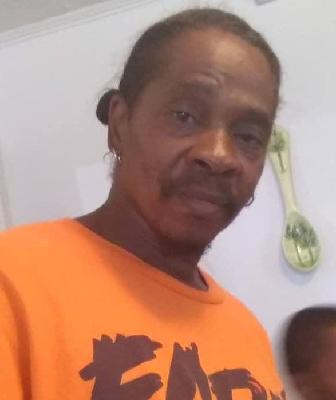
In the late summer of 2022, a grim discovery was made at a residence in Montgomery, Alabama. On August 26th, law enforcement officers responded to a call about an unresponsive person and found a man lifeless inside his truck. The vehicle's ignition was still on, and the doors were locked. There were no immediate signs of trauma or injury to explain his death. A subsequent examination by a medical examiner would reveal the silent killer: a fatal dose of fentanyl.
The amount of the synthetic opioid in his system was determined to be four to five times the lethal dose.
The investigation into the man's death quickly shifted to uncovering the source of the deadly drug. It was a trail that led investigators to 37-year-old Lawrence Coley, III, a resident of Montgomery. The inquiry revealed a long-standing and frequent series of transactions between Coley and the victim. For over a year, Coley had been supplying the man with narcotics, with sales occurring almost daily and sometimes multiple times a day. Evidence presented during the investigation confirmed that the victim had purchased what he likely believed to be pharmaceutical oxycodone from Coley on the very morning of his death.
A search of Lawrence Coley, III's home uncovered a stash of 70 blue pills, deceptively marked to resemble legitimate 30mg oxycodone tablets. However, laboratory analysis confirmed that the pills were counterfeit and contained fentanyl. This discovery was a stark illustration of a dangerous trend of illicitly manufactured pills being disguised as prescription medication. Coley's illicit activities were further evidenced when he was arrested during a traffic stop, at which time he was found in possession of five more of the counterfeit fentanyl pills.
In August 2024, a federal jury found Lawrence Coley, III, guilty on charges of distribution of a controlled substance resulting in death and possession of fentanyl with intent to distribute. During his sentencing hearing, it was revealed that Coley had continued to sell the counterfeit pills even after learning of the victim's death. In November 2024, a federal judge sentenced Coley to serve 20 years in prison. The case highlighted the tragic and lethal consequences of the trafficking of counterfeit pills containing fentanyl.